Embark on a comprehensive journey into the world of 'code game steam' where creativity meets distribution. This guide is crafted for the modern US gamer average age 36 who balances a passion for gaming with real-world commitments. Discover how to transform your coding skills into playable experiences on Steam the ultimate PC gaming platform. We cut through the jargon to offer practical, actionable advice on everything from initial game concept and development tools to mastering Steam's submission process and marketing your indie title. Learn about optimizing performance for diverse hardware, engaging with the Steam community for feedback and success and even monetizing your creations effectively. This resource is designed to navigate the complexities of game development and publishing on Steam ensuring you spend your valuable time wisely. Whether you are a seasoned programmer looking to branch into games or a passionate gamer with a story to tell this guide demystifies the path to having your game coded and published on Steam. Get ready to build, launch, and thrive on the world's leading PC gaming platform.
Related games- Guide to Finding Roblox IDs for Items Audio & Users
- How to Organize Steam Games A Complete Guide
- Guide to Roblox Cool: Top Games & Customization for Adults
- Guide to Free Online Games to Download Now
- Your Ultimate Guide to Roblox Batpacks & How To Get Them
How do I get started with coding my first game for Steam if I am a busy adult?
For busy adults, the key to coding your first game for Steam is starting small and leveraging accessible tools. Focus on a single, manageable concept, perhaps a simple puzzle or platformer. Utilize user-friendly game engines like Unity or Godot, which support visual scripting and C# or GDScript, respectively. Dedicate consistent, short blocks of time, perhaps 30-60 minutes daily, rather than sporadic marathon sessions. Online tutorials and a strong community can provide ample support, making the learning curve less daunting. Remember, consistency beats intensity for long-term progress.
What are the most effective ways to optimize my Steam game's performance for a wide range of hardware?
Optimizing your Steam game's performance is crucial for player satisfaction and wider reach. Start with efficient asset management, compressing textures and models without sacrificing visual quality. Implement Level of Detail (LOD) for distant objects and utilize occlusion culling to avoid rendering unseen elements. Profile your game regularly to identify bottlenecks in CPU, GPU, or memory usage, focusing on areas like physics calculations or complex shaders. Offer scalable graphics options, allowing players to adjust settings for their specific hardware. Regular testing across various systems will ensure a smoother experience for all.
How can I build a strong community around my 'code game steam' project before and after launch?
Building a strong community is vital for your 'code game steam' project's success. Start early by sharing development progress on social media platforms like X (formerly Twitter), Reddit's r/gamedev, and Discord. Engage with potential players, solicit feedback on early builds or concepts, and be transparent about your development journey. Post-launch, continue regular communication through Steam Announcements, community forums, and Discord. Host developer streams, participate in Q&A sessions, and actively address player concerns and suggestions. A responsive and engaged developer fosters loyalty and organic growth.
What are the best strategies for marketing an indie 'code game steam' on a limited budget?
Marketing an indie 'code game steam' on a tight budget requires smart, targeted strategies. Leverage free platforms: create engaging devlogs on YouTube, share GIFs and screenshots on social media, and participate in relevant subreddits. Focus on building a strong Steam store page with compelling screenshots, a captivating trailer, and a clear description. Utilize Steam's wishlisting feature by driving traffic from external sources. Network with other indie developers and streamers for cross-promotion opportunities. Consider participating in Steam festivals and online showcases, which offer free visibility. Prioritize quality over quantity in your outreach efforts.
How do I manage my time effectively to 'code game steam' while balancing a full-time job and family life?
Balancing 'code game steam' with a full-time job and family demands strict time management and realistic expectations. Establish a dedicated, consistent schedule for development, even if it's just an hour or two each evening or weekend. Communicate your hobby with family to ensure understanding and support. Break down large tasks into smaller, manageable chunks to avoid feeling overwhelmed. Prioritize features ruthlessly and embrace an iterative approach. Remember, it's a marathon, not a sprint; progress, no matter how small, adds up over time. Self-care is also crucial to avoid burnout.
What are the common pitfalls to avoid when publishing my first game on Steam?
When publishing your first 'code game steam', avoid common pitfalls by thoroughly understanding Steam's guidelines. Do not neglect your Steam store page; a weak page with poor visuals or descriptions can kill sales. Avoid rushing the launch; ensure your game is polished and thoroughly tested to prevent negative initial reviews. Underestimating marketing effort is another major mistake; your game won't sell itself. Lastly, neglecting community engagement post-launch can lead to player disinterest. Be prepared for support requests and be proactive in addressing feedback.
Are there specific genres or game types that perform well for new 'code game steam' developers?
For new 'code game steam' developers, certain genres and game types can be more forgiving and offer a higher chance of success. Puzzle games, short narrative experiences, pixel-art platformers, and cozy simulation games often have lower development complexity while attracting dedicated niches. Multiplayer social deduction games or crafting survival titles, while popular, can be technically demanding for a solo or small team. Focus on genres where unique mechanics or strong narrative can shine, rather than relying solely on high-fidelity graphics. Research current trends, but always prioritize what you can realistically achieve.
Ever dreamed of seeing your own game on Steam? For many of us, the idea of coding a game and launching it on the world's biggest PC gaming platform is a thrilling prospect. But let's be real: as adult gamers, many of us around 36 years old, we're juggling jobs, families, and life's endless demands. You're part of the 87% of US gamers who play regularly, often dedicating 10+ hours a week, and you value that time. You want relaxation, fun, and maybe even a little skill-building, but you also need practical advice, not hype. The path to 'code game steam' can seem daunting, riddled with technical hurdles, performance issues, and the challenge of balancing creation with existing commitments. You want to know how to get started, what tools to use, and how to actually succeed without dedicating every waking moment. This guide is your no-nonsense, friend-to-friend resource for navigating the exciting world of developing and publishing your own game on Steam. We'll tackle common pain points, offer actionable solutions, and help you turn your coding passion into a Steam reality.
The US gaming market in 2026 is dynamic, with trends showcasing a blend of mobile gaming dominance, social cross-play, and a strong community presence on platforms like Discord. Adult gamers are seeking engaging experiences that fit into their busy schedules, from cozy simulators to competitive esports titles. Value for money is paramount, as is staying current without getting lost in the noise. This article is tailored to address these needs, providing the insights you need to make your 'code game steam' journey successful and enjoyable.
What exactly does it mean to 'code game steam'?
To 'code game steam' essentially means developing a video game and then preparing it for distribution and sale on Valve's Steam platform. It involves everything from writing the game's underlying logic and systems using programming languages like C++ or C# to designing the art, sound, and user interface. Once developed, the game must meet Steam's technical requirements, be uploaded through the Steam Direct program, and then marketed effectively to the platform's vast global audience. This process transforms your creative vision and coding efforts into a playable product accessible to millions of gamers.
It's not just about the lines of code; it's about the entire development lifecycle, from concept to launch and beyond. You're building an experience that players will download, install, and hopefully enjoy for hours. This includes managing game assets, ensuring compatibility across various hardware configurations, and integrating Steam-specific features like achievements, leaderboards, and cloud saves. Understanding this holistic approach is key to successfully bringing your game to the Steam marketplace.
Why should I consider coding and publishing my game on Steam?
Steam offers an unparalleled opportunity for independent game developers, making it a prime target for anyone looking to 'code game steam'. Firstly, it boasts a massive, engaged user base of hundreds of millions of active players, providing instant access to a global market that is actively seeking new games. Secondly, Steam provides robust infrastructure, including secure distribution, automatic updates, regional pricing, and powerful community features like forums, reviews, and wishlists. These tools significantly reduce the logistical burden on developers, letting you focus more on creation.
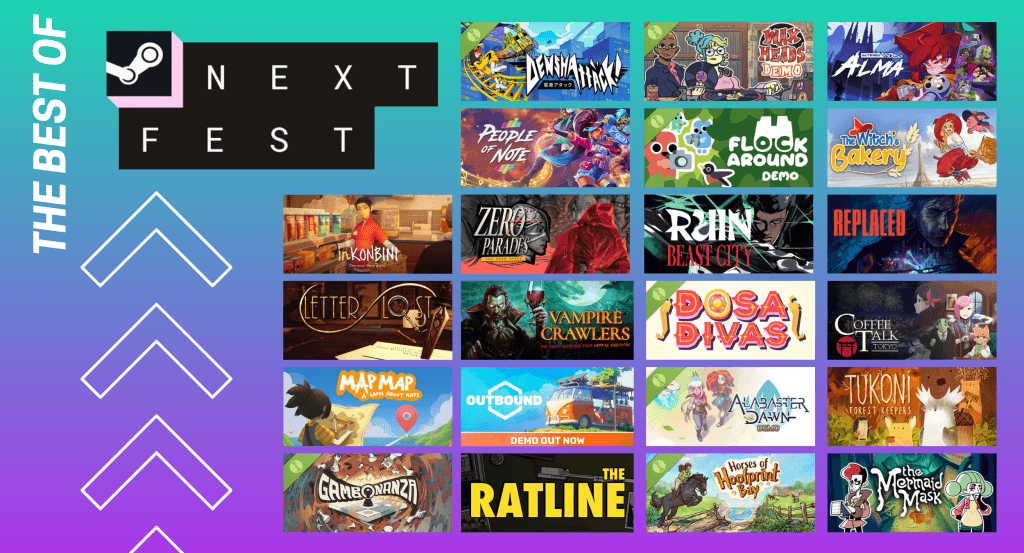
Furthermore, Steam's various promotional opportunities, such as seasonal sales, Steam Next Fest, and curated discovery queues, offer valuable visibility for indie titles. For the time-conscious adult gamer developer, leveraging Steam's established ecosystem can be more efficient than building an audience from scratch on an independent website. It's a proven platform that can validate your efforts and potentially turn a passion project into a source of income, all while providing a stable home for your creation.
What are the essential tools and skills needed to code a game for Steam?
To effectively 'code game steam', a foundational understanding of programming is crucial. Common languages include C# (popular with Unity), C++ (often used with Unreal Engine or custom engines), and GDScript (for Godot). Beyond language, you'll need a game engine. Unity and Godot are excellent for beginners due to their extensive documentation, large communities, and user-friendly interfaces, supporting both 2D and 3D development. Unreal Engine offers cutting-edge graphics for 3D titles but has a steeper learning curve.
Beyond coding, skills in asset creation (2D/3D art, animation), sound design, and basic UI/UX design are highly beneficial. For solo developers or small teams, leveraging marketplaces for assets or collaborating with artists can save significant time. Version control systems like Git are essential for managing your codebase, especially if working with others. Moreover, analytical thinking and problem-solving are paramount, as game development involves continuous debugging and iteration. Remember, continuous learning is key in this rapidly evolving field.
How do I navigate the Steam Direct submission process?
Navigating the Steam Direct submission process is straightforward once you understand the steps. First, you'll need a Steam account and you'll sign up for Steam Direct, paying a recoupable fee of 100 USD per game. This fee is refunded once your game reaches a certain sales threshold. Next, you'll prepare your game's build according to Steam's technical guidelines, uploading it through the Steamworks SDK. This involves configuring executables, depots (game files), and any necessary third-party redistributables.
Crucially, you'll also design your Steam store page. This includes compelling screenshots, a captivating trailer, an engaging description, and setting your game's genre, tags, and pricing. Spend significant time on this; your store page is your game's storefront. After setting up your store page and uploading a functional build, you'll submit it for review. Steam's team checks for technical compliance and content appropriateness. This typically takes 3-7 business days. Once approved, you can set your release date and launch your game. Remember to thoroughly test your game before submission to avoid delays.
What are common performance pitfalls and how can I optimize my Steam game?
Performance pitfalls are common when you 'code game steam', especially for developers balancing time. Over-reliance on high-polygon models, unoptimized textures, and complex shaders can quickly bog down frame rates. Inefficient code, excessive physics calculations, or unmanaged memory leaks are also frequent culprits. For the average gamer who might not have the latest GPU, these issues can lead to frustration and negative reviews.
To optimize, start with profiling tools built into your game engine to identify bottlenecks. Implement Level of Detail (LOD) for distant objects, reducing their complexity when far from the camera. Utilize occlusion culling to prevent rendering objects that aren't visible. Compress textures and audio files without sacrificing noticeable quality. Offer adjustable graphics settings within your game, allowing players to tailor the experience to their hardware. Prioritize efficient algorithms over brute-force solutions, especially for frequently executed code. Regular testing on varied hardware ensures a smooth experience for a broader audience, reflecting current trends where gamers expect smooth performance even on moderate systems.
How can I effectively market my indie game on Steam without a huge budget?
Marketing your 'code game steam' on a limited budget requires creativity and strategic effort. Your Steam store page is your primary marketing tool; invest time in crafting a compelling description, eye-catching screenshots, and a polished trailer. Utilize Steam's free visibility events like Steam Next Fest, which can generate significant wishlists and player interest. Engage with communities on platforms like Reddit (r/gamedev, r/indiegames), Discord servers, and X (formerly Twitter).
Create devlogs or short video updates on YouTube or TikTok, showcasing your game's development journey and unique features. Network with other indie developers for cross-promotion opportunities. Reach out to smaller streamers and content creators who focus on indie games; a positive review from them can drive substantial traffic. Participate in online showcases and virtual conventions. Remember, consistent, authentic engagement and a unique selling proposition for your game are more effective than expensive ad campaigns for indie success.
What role does community engagement play in my Steam game's success?
Community engagement is a cornerstone of success for any 'code game steam' project, especially in today's social gaming landscape. A vibrant community provides invaluable feedback, helps identify bugs, and generates organic word-of-mouth marketing. By actively interacting with players on Steam forums, Discord, and social media, you build trust and loyalty. Respond to questions, acknowledge suggestions, and be transparent about your development plans.
Post-launch, continued engagement through regular updates, patches, and even new content keeps your game relevant and your community active. Many successful indie titles owe their longevity to dedicated developers who fostered strong player relationships. Gamers, especially those balancing life commitments, appreciate developers who listen and improve their games. This connection can turn early adopters into passionate advocates, significantly extending your game's lifespan and appeal, reinforcing the idea that gaming is often a social experience.
Can I really balance game development with a full-time job and family?
Absolutely, balancing game development while maintaining a full-time job and family life is challenging but entirely achievable for many who 'code game steam'. The key lies in realistic expectations, disciplined time management, and clear communication. Treat your game development as a serious hobby, allocating specific, consistent blocks of time – perhaps an hour each evening or a few hours on weekends. Avoid burnout by setting achievable milestones and celebrating small victories.
Communicate openly with your family about your passion, ensuring they understand your dedicated 'dev time'. Involve them occasionally if possible, or explain the creative process. Break down large tasks into smaller, manageable chunks to avoid feeling overwhelmed. Prioritize features ruthlessly and be comfortable with the idea that your game might take longer to develop than a full-time project. Many successful indie games have been created by individuals working in their spare time, proving that passion and persistence can overcome time constraints.
Are there free or budget-friendly options for developing Steam games?
Yes, numerous free and budget-friendly options exist to help you 'code game steam' without breaking the bank. Game engines like Godot are entirely free and open-source, offering robust features for both 2D and 3D. Unity has a free Personal license for individuals and small teams below a certain revenue threshold. For programming, languages like C# (with Unity) and GDScript (with Godot) are free to learn and use.
Asset creation doesn't have to be expensive either. Free tools like GIMP or Krita for 2D art, and Blender for 3D modeling and animation, are incredibly powerful. You can also find a wealth of free-to-use sound effects and music online, or explore affordable asset packs on marketplaces. Leveraging online tutorials, documentation, and community forums provides free education and support. By being resourceful and strategic, you can develop and publish a high-quality game on Steam with minimal upfront financial investment, focusing your budget on the Steam Direct fee and perhaps some targeted marketing.
What are the latest trends in Steam game development I should watch?
Staying current with trends helps inform your 'code game steam' project's design and appeal. As of 2026, several trends are shaping the Steam landscape. Cozy games and life simulators continue their strong performance, appealing to gamers seeking relaxation and stress relief. Roguelikes and roguelites remain popular for their replayability and challenging gameplay loops. Social multiplayer games, often with a focus on co-op or casual competition, are thriving, especially among the Gen Z/Millennial audience who value online interaction.
The growth of Free-to-Play (F2P) models with engaging seasonal content, battle passes, and cosmetic microtransactions is significant. Developers are also increasingly experimenting with VR, though it remains a niche. Cross-play functionality across PC and consoles is a growing expectation. Finally, games that offer strong modding support or integrate well with streaming platforms often find dedicated communities. Focus on unique mechanics and compelling narratives, as these consistently cut through the noise, rather than just chasing hype.
FAQ Section
Here are some quick answers to common questions about developing games for Steam:
Is C# a good language for Steam games?Yes, C# is an excellent choice for Steam game development, especially when paired with Unity. It's widely supported, offers great performance, and has a vast community with abundant resources and tutorials, making it accessible for developers of all skill levels.
How long does it typically take to get a game approved on Steam?After you submit your game build and store page through Steam Direct, the initial review process usually takes about 3 to 7 business days. However, if issues are found, the process can extend as you address the feedback and resubmit.
What is Steam Early Access and should I use it for my game?Steam Early Access allows developers to release and sell unfinished games to gather player feedback and secure funding during development. It's beneficial for iterative development and building a community, but requires consistent updates and transparent communication with players.
Can I update my Steam game after it's launched?Absolutely. Steam provides robust tools within Steamworks to allow developers to easily push updates, patches, and new content to their games post-launch. Regular updates are crucial for bug fixes, performance improvements, and keeping your player base engaged.
Do I need a publisher to get my indie game on Steam?No, you do not need a publisher. Steam Direct enables independent developers to self-publish their games directly onto the platform. While a publisher can offer benefits like marketing and funding, it's not a mandatory step for releasing your game on Steam.
What are some free tools for making game art for Steam?For 2D game art, Krita and GIMP are powerful, free alternatives to paid software. For 3D modeling, Blender is an industry-standard, open-source tool capable of producing high-quality assets. These tools can significantly reduce your development costs.
Embarking on the journey to 'code game steam' is a significant undertaking, but it's a deeply rewarding one. By understanding the processes, leveraging the right tools, and approaching development with a strategic mindset, you can successfully bring your unique vision to life on the world's most popular PC gaming platform. Remember to balance your creative passion with life's demands, prioritizing consistent effort over sporadic sprints. The indie gaming scene on Steam is thriving, and there's a place for your game. The journey might be long, but the satisfaction of seeing your creation played by others is truly unmatched. What's your biggest gaming challenge or dream project you want to bring to Steam? Comment below and share your thoughts!
Understanding Steam publishing requirements, Choosing the right game development tools, Strategies for effective game marketing on Steam, Optimizing game performance for Steam users, Engaging with the Steam community, Monetization options for Steam games, Balancing game development with personal life, Avoiding common development pitfalls.
35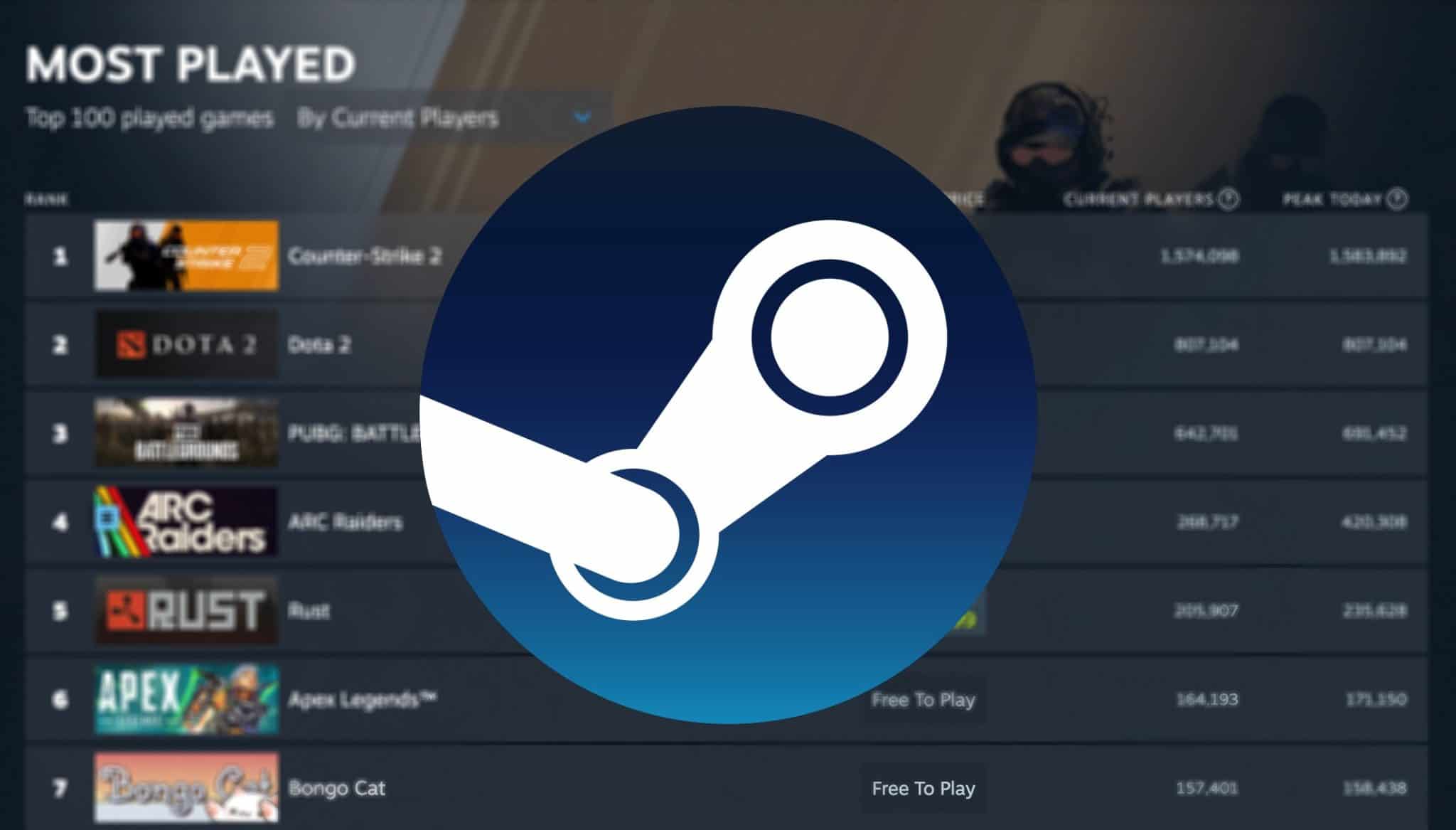
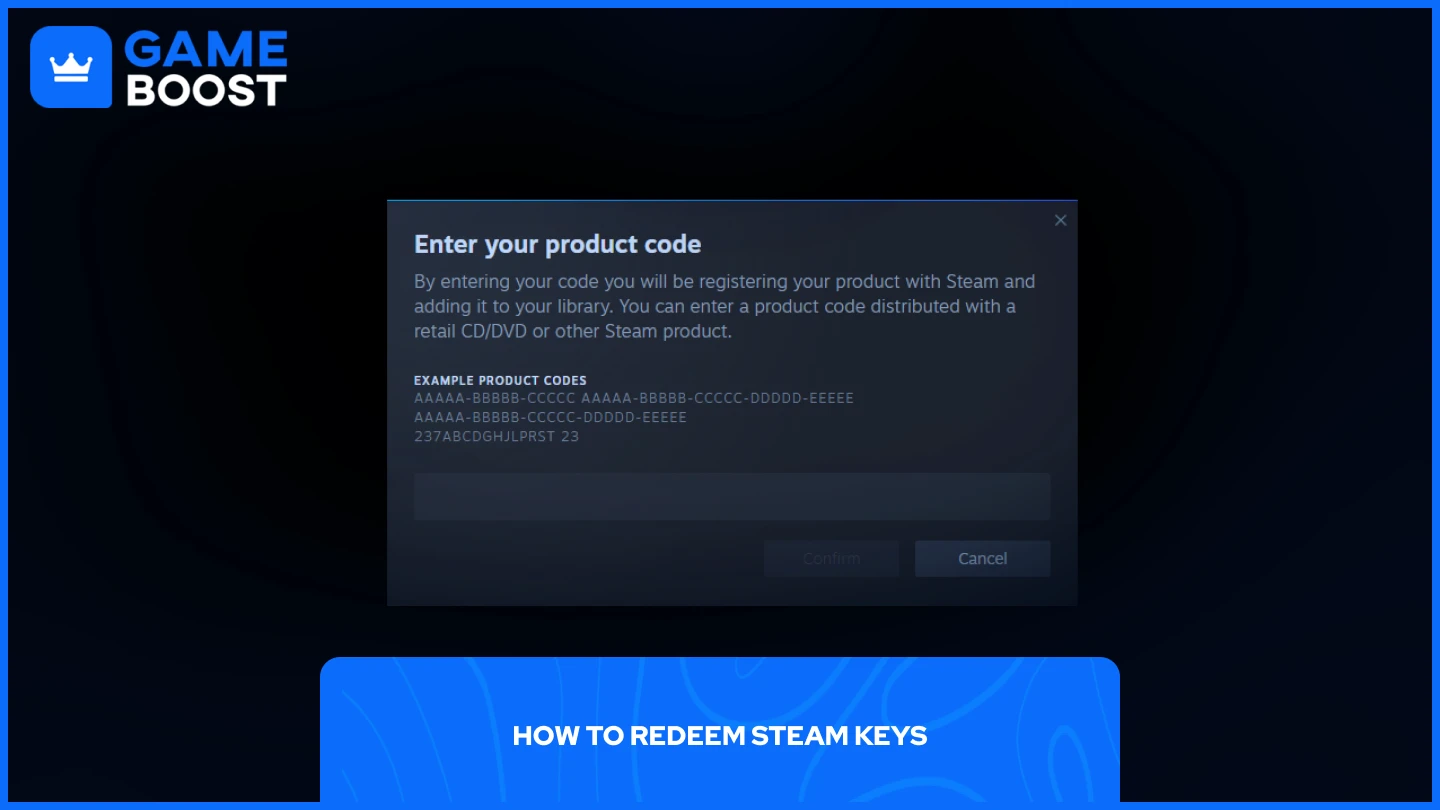


The Most Played Games On Steam For 2026 So Far Cheat Code Central Most Played Games Steam 2026 2048x1167 . How To Redeem Steam Codes Step By Step Guide C869886f Ab50 4e25 Bf25. Are Steam Wallet Codes Ending The 2026 Shift And Last Lotkeys Steamkod FC2k .webp. How To Use Game Codes On Steam At Shirley Gonzalez Blog . Comment Activer Un Code Sur Steam 2026 YouTube
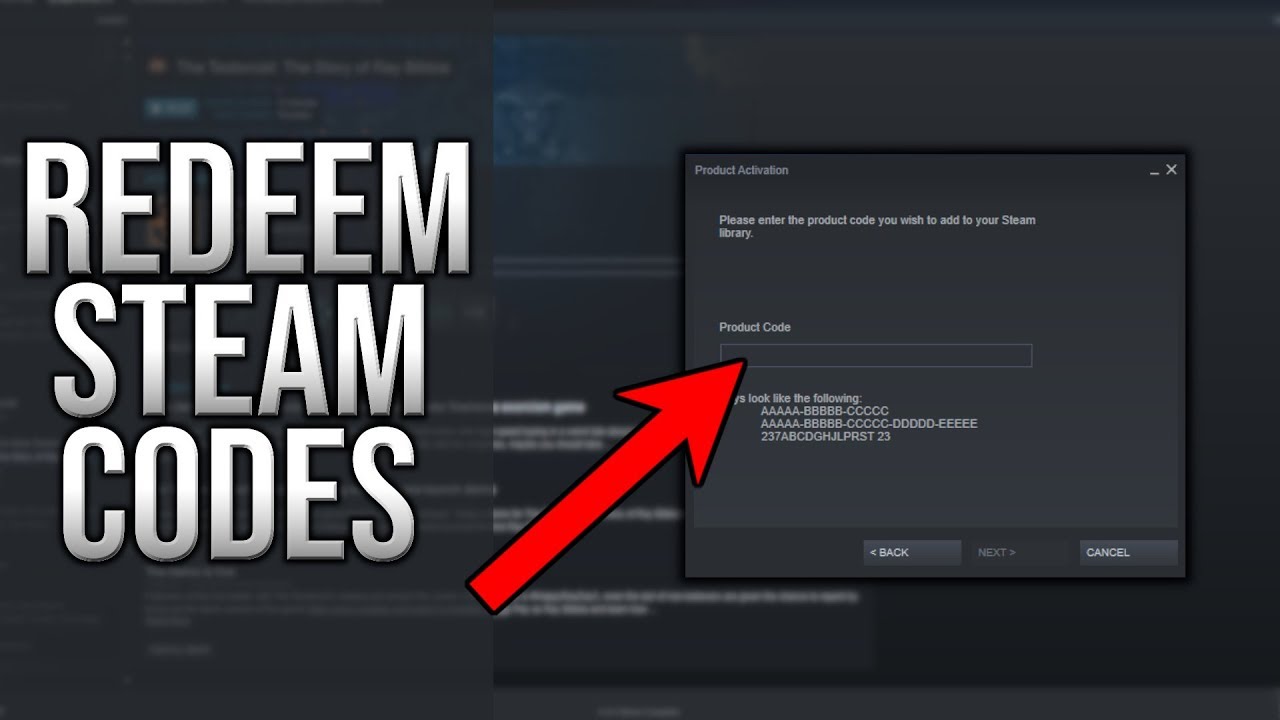

How To Redeem Steam Game Codes YouTube . Steam Sales 2026 Calendar Full Dates Best CD Key Deals AllKeyShop Com All Steam Events 2026. January 2026 Steam Wallet Pin Free Codes SEAGM News Free Pin Article SteamWallet 1200x675 . Steam March 2026 Client Update Adds Hardware Specs To User Reviews Steam Client Mar 2026 . Free Steam Keys 2026 PRAGMATA ETS2 And Others Steam Kliuchi 2026 Pragmata Ets2 Ta Inshi



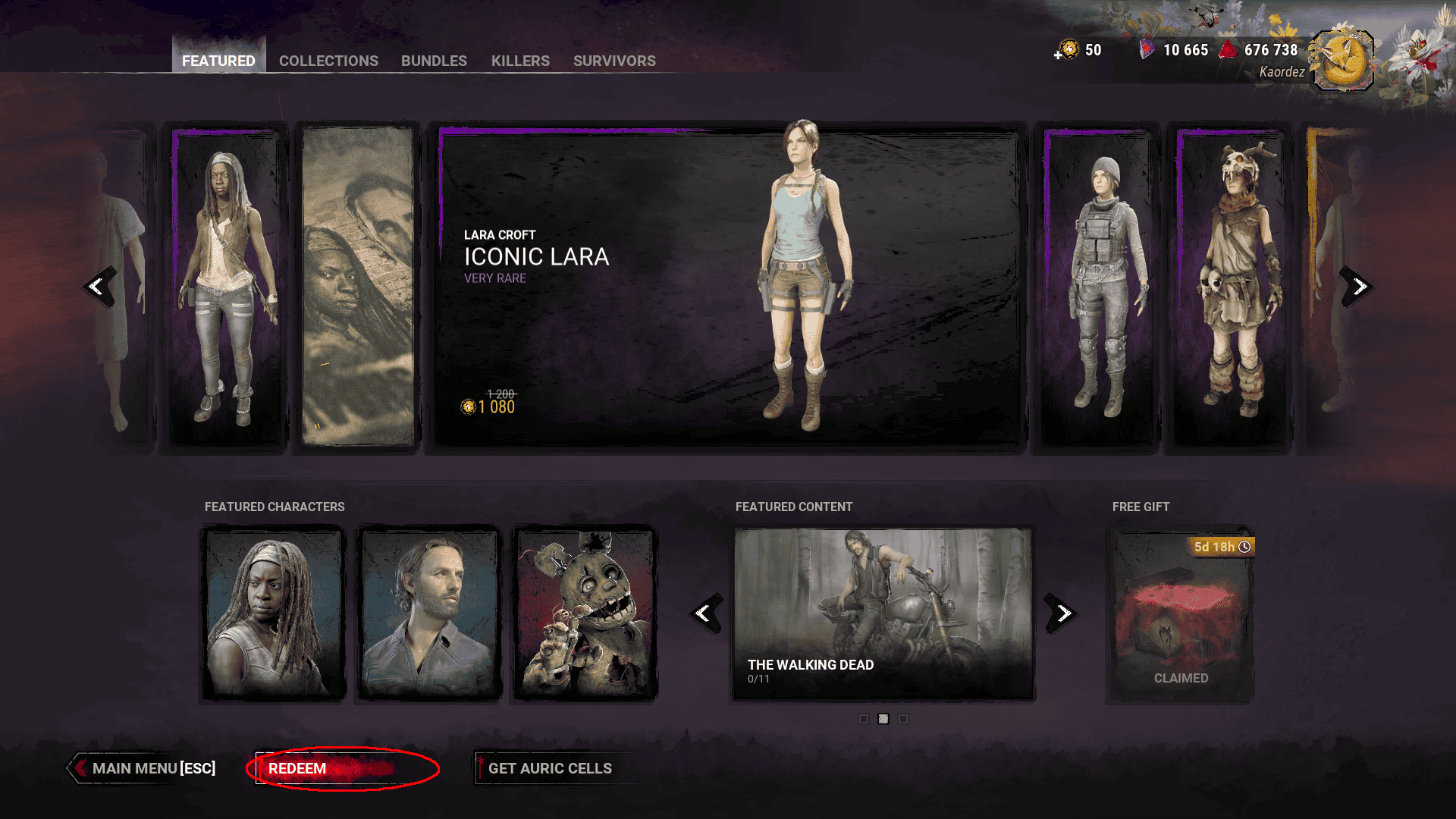
How To Redeem A Code On Steam Steam Game Codes 2025 Tutorial YouTube . Steam Next Fest February 2026 The 22 Best Game Demos The Best Steam Next Fest Demos 2026 The Punished Backlog Order 2 300x162 . Steam Einl Sen So Es 2026 Guide Lotkeys Lotkeys Blog Steam Xr9p .webp. 17 Game Gratis Di Steam 2026 Seru Bikin Kamu Ketagihan Jurnal Ngawi 3471022749 . How To Redeem A Code On Steam 2026 Step By Step YouTube



Steam 2026 UzIGEJbZAX . Comment Changer Des Codes Steam Guide Tape Par Tape D8920dff 5390 4459 Aff3. Steam Sale 2026 Key Dates You Need To Know LevelUpTalk Steam Sale Schedule 2026 08 27 2025 7c35051e 2c22 4093 96f1. How To Redeem A Code On Steam 2026 Updated Tutorial YouTube . Kalender Lengkap Event Steam 2026 Diskon Besar Dan Festival Game Favorit Steam Events 2 Q82 W2560 H 74ce0.webp


:strip_icc():watermark(kly-media-production/assets/images/watermarks/liputan6/watermark-color-landscape-new.png,1180,20,0)/kly-media-production/medias/5535685/original/040139800_1774087096-Steam_Spring_Sale_2026_01.jpeg)
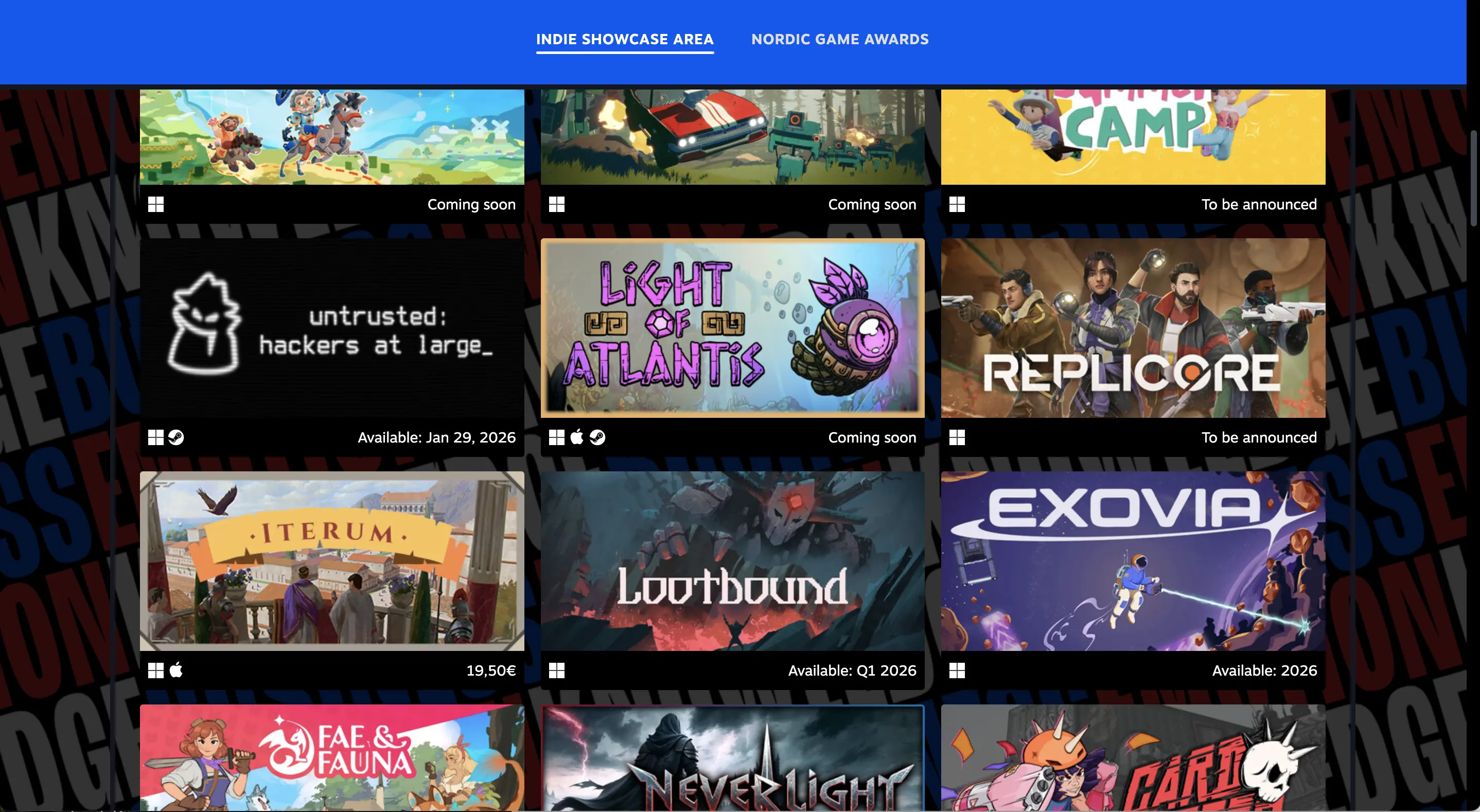
Nuova Steam Machine 2026 Giochi Compatibili E Data Di Nuova Steam Machine 2026.webp. January 2026 S Top Selling New Steam Games Revealed 08418405 04a2 47eb B48b 1500x843 . Top 10 Most Anticipated Games Of 2026 What To Watch Out For TVN GAMES IN 2026 . Steam Spring Sale 2026 Dimulai Banyak Game PC Dan DLC Dipangkas Harga 040139800 1774087096 Steam Spring Sale 2026 01 . Indies At NG26 Get Noticed On Steam Nordic Game 2026 NG25 Steam



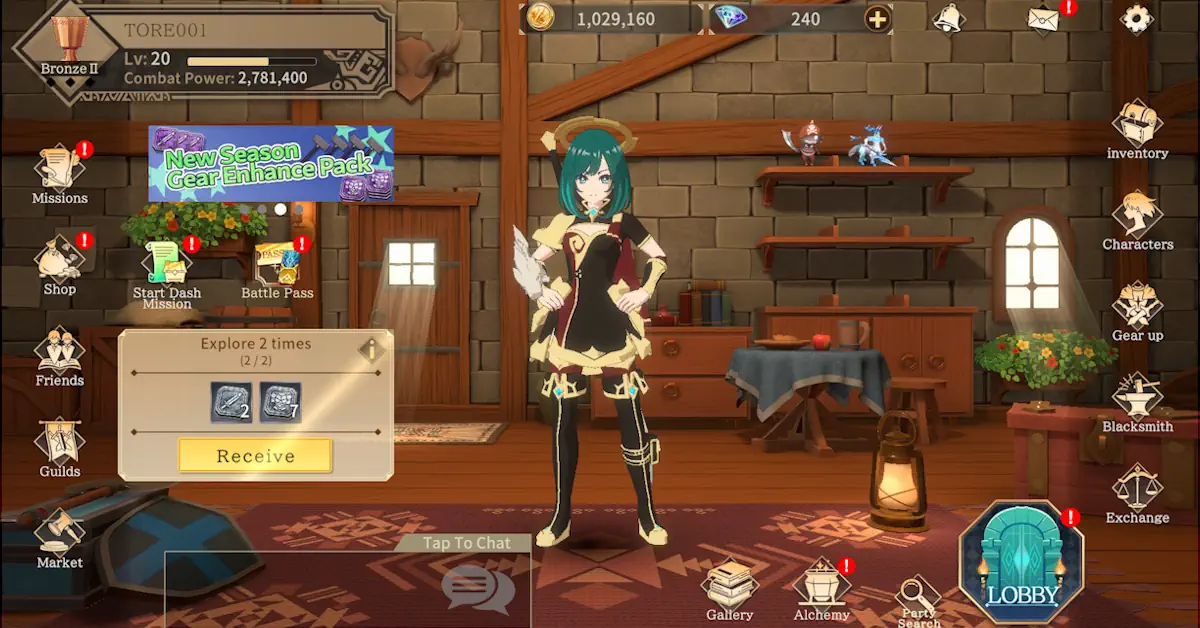
Steam How To Enter Use Beta Code Any Game 2026 YouTube . The Top 2026 Games By Steam Wishlists By Rhys Elliott Fc2aa87f 2277 4294 9e7b 1920x1080 . Steam Next Fest 2026 And Beyond All The Dates Details And Everything . Steam 2026 4 New Free To Play Games Available Now AllKeyShop Com Showcase Steam Free Games 2026 Indie F2p Card Roguelike Sci Fi. Steam Codes 2026 Gifticon
:quality(30):format(webp):focal(0.5x0.5:0.5x0.5)/jogja/foto/bank/originals/20260423-Steam-Weekend-Deal-April-2026.jpg)

Steam Community Guide ALL ACTIVE CODES 2026 FREE REWARDS. Midweek Deal Steam April 2026 Hadir Dengan Berbagai Game Mabar Menarik 20260423 Steam Weekend Deal April 2026 . New Steam Features For 2026 Steam Features 2026 What S New Banner.webp. Steam Next Fest February 2026 The 22 Best Game Demos The Best Steam Next Fest Demos 2026 The Punished Backlog 1024x553 . Steam Next Fest February 2026 Edition Jumping Into 2026 MixCollage 23 Feb 2026 08 57 AM 2571