Navigating the world of PC components can feel overwhelming, especially when your gaming time is a precious commodity. Understanding what are gaming motherboards is crucial for any gamer looking to optimize their experience, whether you are building a new rig or upgrading an existing one. This guide cuts through the technical jargon, focusing on practical advice for the average gamer juggling work, family, and life. Discover how the right motherboard choice impacts everything from game load times to future upgrade potential, ensuring your hardware keeps pace with the latest titles and social gaming trends in 2026. Learn about key features like CPU compatibility, RAM speed, robust power delivery, and connectivity options that truly matter. We address common pain points such as performance bottlenecks, expensive upgrades, and the challenge of balancing your passion with daily responsibilities, providing clear, actionable insights to help you game smarter, not harder. This informational resource is tailored for those who value performance and value for money without getting lost in hype.
What is a gaming motherboard and why do I need one?
A gaming motherboard is the central hub of your PC, specifically designed with enhanced features like robust power delivery, advanced cooling, faster networking, and durable expansion slots to support high performance gaming components. You need one to ensure your CPU, GPU, and RAM operate stably at peak performance, preventing bottlenecks and providing a reliable foundation for smooth, immersive gameplay and future upgrades.
What are the essential features to look for in a gaming motherboard in 2026?
In 2026, essential features for a gaming motherboard include compatibility with the latest CPU sockets (e.g., AM5, LGA1700), support for DDR5 RAM (6000MHz+), at least one PCIe 5.0 x16 slot for the GPU, multiple PCIe 4.0/5.0 M.2 slots for fast storage, 2.5GbE LAN and WiFi 6E/7 for superior networking, and robust VRMs with effective cooling for stability.
How does a gaming motherboard improve my PC's performance?
A gaming motherboard improves your PC's performance by providing a stable and efficient platform for all your components. It ensures your CPU receives clean, consistent power, allows RAM to run at its highest speeds, and facilitates high-speed data transfer between the CPU, GPU, and storage. This optimized communication prevents bottlenecks, leading to higher, more consistent frame rates and faster game loading times.
What are the best budget-friendly gaming motherboards for casual players?
For casual players on a budget, look for motherboards utilizing chipsets like Intel B760 or AMD B650. These offer excellent performance for gaming, support high speed DDR5 RAM, and provide sufficient PCIe 4.0 lanes for modern GPUs and NVMe SSDs, all without the premium cost of top tier, extreme overclocking features found on more expensive Z-series or X-series boards.
How do I ensure my motherboard is compatible with my CPU and RAM?
To ensure compatibility, first verify the CPU socket type (e.g., AM5, LGA1700) on the motherboard matches your processor. Next, check the motherboard's specifications for supported RAM generation (DDR4 or DDR5) and maximum speed (MHz). Consult the manufacturer's CPU and RAM QVL (Qualified Vendor List) on their website for guaranteed compatibility and optimal performance.
Can a gaming motherboard truly future-proof my PC?
A gaming motherboard can significantly future-proof your PC by incorporating the latest technologies like PCIe 5.0 for next generation GPUs and NVMe SSDs, and DDR5 RAM support. While no PC is indefinitely future-proof, choosing a motherboard with these advanced standards ensures you won't need to replace it for several upgrade cycles, allowing it to remain relevant for new hardware releases for many years.
What are common installation challenges for motherboards and how can I avoid them?
Common installation challenges include incompatible components, incorrectly connecting front panel headers, forgetting to install the I/O shield, and improper thermal paste application. Avoid these by thoroughly checking component compatibility before starting, carefully following your motherboard's manual for front panel connections, installing the I/O shield before mounting the board, and using a pea sized amount of thermal paste for the CPU cooler.
Remember that feeling when you finally carve out an hour to jump into your favorite title, only for your PC to stutter or refuse to cooperate? For many of us, balancing work, family, and a desire to unwind with gaming is a constant juggle. With 87% of US gamers regularly dedicating 10+ hours a week to their passion, and balancing adult responsibilities, every gaming session needs to count. Performance issues and setup headaches are the last thing a busy gamer needs.
This is where understanding what are gaming motherboards becomes your secret weapon. Far from just a circuit board, your motherboard is the central nervous system of your gaming PC, dictating everything from processor compatibility to storage speeds and the overall stability of your system. Choosing the right one can transform your gaming experience, ensuring smooth frame rates, faster load times, and hassle free upgrades down the line, without breaking the bank or taking up valuable free time. Let's dive in and unlock how the right motherboard can help you get the most out of your precious gaming moments.
What Exactly Are Gaming Motherboards and Why Do They Matter?
A gaming motherboard is a specialized version of a standard motherboard designed with features tailored for high performance computing, particularly for video games. While all motherboards connect components like the CPU, RAM, and GPU, gaming motherboards typically offer enhanced power delivery (VRM), better cooling solutions for those VRMs, more robust expansion slots, faster networking options (like 2.5GbE LAN and WiFi 6E), and often include better audio circuits. They are built to handle the higher demands of gaming CPUs and GPUs, ensuring stability and unlocking potential for overclocking.
For the busy gamer, this means less time troubleshooting and more time playing. A quality gaming motherboard provides the stable foundation needed for consistent performance, preventing frustrating crashes or bottlenecks that can ruin a brief gaming window. It ensures your powerful CPU and GPU can communicate effectively, maximizing your in game frame rates and responsiveness.
How Do Gaming Motherboards Differ from Regular Motherboards?
The core difference lies in their design priorities. Standard motherboards are built for general computing tasks, focusing on reliability and basic functionality. Gaming motherboards, on the other hand, prioritize performance, stability under load, and expandability. Here are some key distinctions:
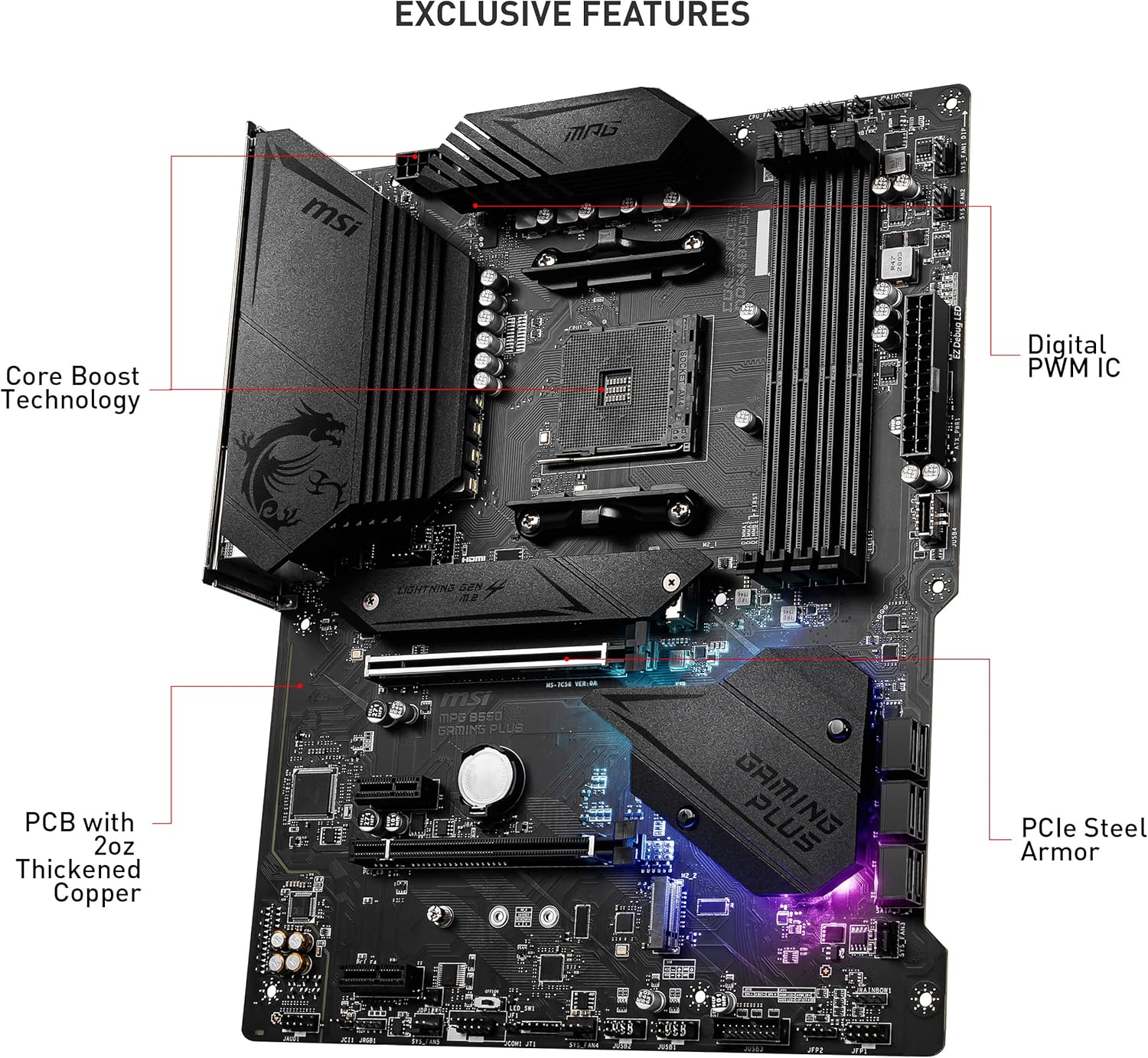
- Power Delivery (VRM): Gaming motherboards feature more robust and efficient Voltage Regulator Modules (VRMs) with better heatsinks. This ensures stable power delivery to the CPU, crucial for demanding games and overclocking, preventing thermal throttling.
- Expansion Slots: You will find more reinforced PCIe slots (often metal shielded) on gaming motherboards, designed to support heavy, high-end graphics cards. They also typically offer more M.2 slots for lightning-fast NVMe SSDs, essential for modern game loading times.
- Networking: Expect integrated faster LAN (2.5Gbps or even 10Gbps) and advanced wireless standards like WiFi 6E for lower latency online gaming. Social gaming, cross play, and esports viewing demand a reliable, fast connection, which these boards provide.
- Audio: Many gaming motherboards include dedicated audio codecs, EMI shielding, and higher quality capacitors for superior in game sound, enhancing immersion and competitive awareness.
- Cooling: Beyond VRM heatsinks, some gaming motherboards incorporate passive cooling for M.2 SSDs to prevent throttling, and more fan headers for optimal system airflow.
- Aesthetics and BIOS: Often, gaming motherboards feature aggressive designs, RGB lighting, and a user friendly BIOS interface with more options for performance tuning and monitoring.
What Key Features Should Busy Gamers Prioritize in a Motherboard?
When your time is limited, every dollar and every minute saved counts. Focus on these critical features:
- CPU Socket and Chipset Compatibility: This is non negotiable. Ensure the motherboard's socket (e.g., LGA1700 for Intel, AM5 for AMD) matches your chosen processor. The chipset (e.g., Z790, B650) determines features like PCIe generation, USB port types, and overclocking support.
- RAM Support: Look for motherboards that support the latest DDR5 RAM with high speeds (e.g., 6000MHz+) and sufficient slots (usually 4) for future upgrades. This directly impacts game performance and multitasking.
- PCIe Generation: PCIe 5.0 is becoming standard for top tier GPUs and NVMe SSDs, offering future proofing. Even PCIe 4.0 is perfectly adequate for most current high end gaming, but consider PCIe 5.0 for a long term investment.
- Storage Options: Multiple M.2 slots (preferably PCIe 4.0 or 5.0) are vital for fast game loading. More than one allows for a dedicated OS drive and several game drives. SATA ports are still useful for bulk storage.
- Connectivity: At least one 2.5GbE LAN port and WiFi 6E are highly recommended for stable online gaming and streaming. Plenty of USB 3.2 Gen 2 ports are essential for peripherals, external drives, and VR headsets.
- VRM Quality and Cooling: This ensures your CPU gets stable power, especially important if you plan to use a higher end processor or do any light overclocking to squeeze extra performance. Good heatsinks prevent thermal throttling.
How Does CPU and RAM Compatibility Impact Gaming Performance?
The CPU and RAM are the brain and short term memory of your gaming PC, and your motherboard is the bridge. Proper compatibility and support from your motherboard are paramount for optimal gaming performance.
- CPU Compatibility: Your motherboard's socket type (e.g., AM5 for AMD Ryzen 7000 series or LGA1700 for Intel 13th/14th Gen) must precisely match your CPU. Beyond the physical fit, the motherboard's chipset also needs to support the specific CPU generation. An incompatible CPU means your system simply won't boot. The right pairing ensures your processor can communicate at its full speed and utilize all its cores efficiently.
- RAM Speed and Capacity: Gaming motherboards specify the maximum RAM speed (MHz) and capacity (GB) they support. While 32GB of DDR5 RAM is the sweet spot for most gamers in 2026, faster RAM speeds (e.g., 6000MHz or higher) can significantly improve minimum frame rates in CPU intensive games. The motherboard's BIOS settings (like XMP or EXPO profiles) make it easy to run your RAM at its advertised speeds, which is crucial for maximizing performance without manual tweaking.
Without the correct motherboard to facilitate high speed communication between your CPU and RAM, even top tier components will be bottlenecked, leading to lower frame rates, stuttering, and slower overall system responsiveness. It's like having a super fast car but driving it on muddy roads; the potential is there, but the pathway isn't optimized.
What About Connectivity and Future-Proofing for Modern Games?
Connectivity is more than just plugging in your mouse; it is about ensuring your PC can interact seamlessly with all your devices and the internet, both now and in the future. Future proofing means selecting components that will remain relevant for several years, allowing you to enjoy new titles and hardware without immediate upgrades.
- High Speed Networking: With social gaming experiences like shared worlds and co-op adventures dominating trends this month, fast and reliable internet is non negotiable. A gaming motherboard with 2.5 Gigabit Ethernet (2.5GbE) and the latest WiFi 6E or even WiFi 7 ensures low latency and high bandwidth for smooth online gameplay, streaming, and large game downloads.
- USB Connectivity: Modern gaming setups include many peripherals: high refresh rate monitors, VR headsets, external SSDs, webcams, and microphones for Discord chats or streaming. Look for motherboards with a generous number of USB 3.2 Gen 2 (10Gbps) and ideally USB 3.2 Gen 2x2 (20Gbps) ports. USB C ports are increasingly important for versatility.
- PCIe 5.0 Readiness: While PCIe 4.0 is still excellent for current GPUs and NVMe SSDs, motherboards with PCIe 5.0 slots for both graphics cards and M.2 drives offer headroom for next generation hardware. This ensures that when you eventually upgrade your GPU in a few years, your motherboard won't be a bottleneck, extending the life of your initial investment.
By prioritizing robust connectivity and forward-looking standards, you are not just building a PC for today's games but one that can adapt to tomorrow's innovations. This means less frequent, budget straining upgrades and more consistent gaming enjoyment.
Can I Build a Solid Gaming PC on a Budget with the Right Motherboard?
Absolutely! Building a powerful gaming PC on a budget is entirely possible, and the motherboard plays a crucial role in smart spending. You do not always need the absolute top tier, most expensive board to have a fantastic gaming experience.
- Mid Range Chipsets: Instead of the bleeding edge Z790 or X670 chipsets, consider mid range options like Intel's B760 or AMD's B650. These chipsets offer excellent performance for gaming, support for high speed RAM, and often enough PCIe 4.0 lanes for a powerful GPU and a fast NVMe SSD, all at a significantly lower price point. You can still get robust VRMs and decent connectivity without the premium cost of flagship features you might not even use.
- Focus on Essentials: Prioritize features that directly impact gaming performance and your personal use case. For example, if you never plan to overclock, you can save money by choosing a motherboard that does not emphasize extreme VRM solutions. If you only use wired internet, advanced WiFi 6E might be overkill.
- Look for Sales: Keep an eye out for sales and bundles. Retailers often offer discounts on motherboards, especially when paired with a CPU. This is a great way to snag a more capable board for less.
Many US gamers, particularly those balancing family budgets, find great success with budget conscious builds. The key is to allocate your spending wisely, ensuring your motherboard provides a stable foundation for your chosen CPU and GPU without overspending on features you don't need. This allows you to put more budget towards the components that directly enhance your in game experience.
How Do I Install or Upgrade My Gaming Motherboard Successfully?
Installing or upgrading a motherboard can seem daunting, but it's a manageable task with careful planning. Many busy gamers find themselves short on time and prone to rushing, leading to common setup issues. Here’s a streamlined approach:
- Preparation is Key: Before you even open your PC case, gather all necessary tools (screwdrivers, thermal paste, zip ties) and download the latest drivers for your new motherboard onto a USB drive. Make sure your workspace is clean, well lit, and anti static measures are in place (e.g., an anti static wrist strap).
- Component Compatibility Check: Double check that your new motherboard is compatible with your CPU, RAM, and existing case. Pay attention to socket type, RAM generation (DDR4 vs DDR5), and motherboard form factor (ATX, Micro ATX, Mini ITX) to ensure it fits your case.
- Careful Disassembly: Take photos of your current setup before disconnecting anything. Label cables if needed. Gently remove your old components, starting with the GPU, then CPU cooler, RAM, and finally the CPU. Store components safely.
- Mounting the New Board: Install the CPU, CPU cooler (apply new thermal paste), and RAM onto the new motherboard while it's outside the case. This is often easier. Then, carefully align the motherboard with the standoffs in your case and secure it with screws. Ensure the I/O shield is in place if it's a separate piece.
- Connecting Everything: Reconnect all cables: 24 pin ATX power, 8 pin CPU power, front panel connectors (power, reset, USB, audio), fan headers, and SATA/M.2 drives. Take your time with the tiny front panel connectors using your motherboard manual.
- First Boot and BIOS Setup: Power on your PC. If it boots, enter the BIOS/UEFI. Load optimized defaults, enable XMP/EXPO for your RAM, and verify your boot drive. Install your pre downloaded drivers once Windows loads.
Remember, patience is your best friend. Many online guides and videos offer step-by-step visuals if you get stuck. A smooth installation means less downtime and more gaming.
What Role Does Overclocking Play, and Is It Worth It for Me?
Overclocking is the process of manually increasing a component's clock speed beyond its factory settings to achieve higher performance. For gamers, this typically applies to the CPU and RAM. Gaming motherboards are designed with robust power delivery and better cooling to support stable overclocking.
- Performance Boost: A successful CPU overclock can provide a noticeable bump in frame rates, especially in CPU intensive games or during multitasking like streaming while gaming. RAM overclocking (or simply enabling XMP/EXPO profiles) ensures your memory operates at its advertised, often faster, speeds which can significantly improve minimum frame rates.
- Stability Considerations: Overclocking pushes components beyond their default limits, generating more heat and requiring more power. A quality gaming motherboard helps maintain stability by providing clean, consistent power and efficient heat dissipation from its VRMs. Poor overclocking or an inadequate motherboard can lead to system instability, crashes, or even reduced component lifespan.
- Is It Worth It for You? For the average gamer who wants to jump in and play, modest overclocking (like enabling XMP/EXPO for RAM) is highly recommended and easy. Pushing CPU clocks to their absolute limit requires more time, research, and trial and error. If you are a casual gamer looking for relaxation, the incremental performance gain might not justify the effort. However, if you're a competitive player or stream regularly, even a small performance edge can be valuable, and a gaming motherboard makes this process much safer and more effective.
How Do Gaming Motherboards Support Social and Streaming Experiences?
Gaming has evolved far beyond solitary play; it's a vibrant social activity. From coordinating strategies on Discord to streaming your gameplay to friends, gaming motherboards are built to facilitate these experiences seamlessly.
- Superior Networking: As mentioned, integrated 2.5GbE LAN and WiFi 6E (or 7) provide the low latency and high bandwidth essential for smooth online multiplayer, voice chat, and uploading high quality streams. Lag is a stream killer, and a robust network connection from your motherboard is your first line of defense.
- Plenty of USB Ports: Streaming setups often involve multiple peripherals: a high quality microphone, webcam, capture card, stream deck, and external storage. Gaming motherboards typically offer a generous array of USB 3.2 ports, ensuring you have enough connectivity for all your streaming gear without resorting to cumbersome hubs.
- Enhanced Audio: Dedicated audio solutions on gaming motherboards (with better codecs and isolated circuits) deliver clearer input and output. This means your teammates hear you perfectly, and your stream audience gets crisp, immersive game audio, without interference or static.
- Multiple PCIe Slots: If you plan to use a dedicated capture card for streaming high quality gameplay to platforms like Twitch or YouTube, a gaming motherboard with multiple PCIe slots allows you to install it alongside your graphics card without performance compromises.
For the social gamer or aspiring streamer, a gaming motherboard isn't just about raw in game power; it's about building a reliable platform that supports your entire digital ecosystem, connecting you with friends and audiences effortlessly. The gaming landscape of 2026 thrives on connection, and your motherboard is the hub for it all.
Conclusion
Choosing the right gaming motherboard is a foundational decision that impacts your entire PC gaming experience. It's not just about the flashiest RGB or the highest price tag; it's about smart, informed choices that cater to your specific needs as a gamer balancing life's demands. By understanding what are gaming motherboards and prioritizing features like solid power delivery, ample connectivity, and appropriate CPU/RAM support, you empower yourself to build a PC that delivers reliable performance, minimizes frustration, and stands ready for future upgrades.
You deserve hardware that supports your passion without adding extra stress. Invest wisely in your motherboard, and you'll unlock countless hours of smooth, enjoyable gaming. What's your biggest gaming challenge when it comes to hardware? Comment below! Your insights help us all game better.
FAQ Section
What is the most important component on a gaming motherboard?
The most important component on a gaming motherboard is arguably its CPU socket and chipset, as these dictate compatibility with your processor and memory, which are central to gaming performance. Following closely are the VRMs (power delivery) for stability and PCIe slots for your GPU and fast storage.Do gaming motherboards make a big difference for FPS?
Yes, gaming motherboards can indirectly make a significant difference for FPS by ensuring your CPU and GPU operate at their full potential. They provide stable power delivery, support faster RAM speeds, and offer robust data pathways, preventing bottlenecks that could limit your frame rates. While they don't directly add FPS, they unlock the maximum performance of your other components.How often should I upgrade my gaming motherboard?
You generally only need to upgrade your gaming motherboard when you change your CPU to a new generation that uses a different socket, or if you need to access newer technologies like faster PCIe generations (e.g., PCIe 5.0) or RAM types (e.g., DDR5) that your current board doesn't support. Typically, this is every 3-5 years or even longer.Can I use a gaming motherboard for regular work?
Absolutely. A gaming motherboard is perfectly suitable, and often superior, for regular work tasks. Its robust components, stable power delivery, and enhanced connectivity make it excellent for productivity, content creation, video editing, and any other demanding applications beyond gaming.What are VRMs on a motherboard and why are they important for gaming?
VRMs (Voltage Regulator Modules) are circuits on a motherboard that convert and regulate the power supplied to the CPU. For gaming, robust VRMs are crucial because they ensure a stable, clean power supply to your CPU, especially under heavy loads or when overclocking. This prevents performance throttling and system instability, which can disrupt gameplay.Are expensive gaming motherboards always better?
Not always. While more expensive gaming motherboards often include premium features like extreme overclocking potential, advanced networking, and extensive RGB, many mid range gaming motherboards offer excellent performance and all the necessary features for the vast majority of gamers. It's about finding the right balance of features for your specific needs and budget, rather than just price.Optimal CPU and RAM support for peak gaming performance; Enhanced power delivery for stable overclocking and demanding loads; Multiple PCIe slots for modern graphics cards and SSDs; Advanced connectivity including USB 32 and WiFi 6E; Robust cooling solutions for crucial components; Durable build quality for long term reliability; Future proofing with latest chipset technologies; BIOS features designed for gamers.
35


AMD Motherboard Buying Guide 2026 Top Picks For All Needs Top 10 AMD For Gaming And In 2026 . Slimepress GIGABYTE Shows Off AMD Ryzen 9000 Series AORUS Gigabyte CES 2026 FI B3d4c532be . MSI CES 2026 Big Focus On DIY Parts To Help You Build The Next MSI MAX. Check Out The Latest ROG Gaming Gear Revealed At CES 2026 . Best B850 In 2026 Our Top Picks PC Guide Best For Gaming




Best For Gaming PCs In 2026 Intel AMD Guide Motherboard For Gaming Pcs In 2026.webp. CES 2026 All Things Gaming MSI Has Announced In CES 2026 Xc MB 03 1024x576 . Upgrade Your System With High Performance Socket 2026 Motherboard Solutions 2026 New MSI MEG X870E ACE MAX AM5 Gaming Motherboard Wi Fi7 10G LAN DDR5 ATX Supports 9000 8000 7000 Series For Gaming AI PC . 7 Best Gaming Of 2026 Top Gaming 2025 768x432 . Best Gaming In 2026 Top 5 YouTube



5 Best Gaming For 2026 Ultimate PC Builds YouTube Hqdefault . 9 Best AM5 Gaming In 2026 Top Am5 Gaming . TOP 5 Best Gaming 2026 The Heart Of Your Ultimate Gaming . Best Motherboard For Ryzen 9 9950X3D 2026 PC Cores Best Motherboard For Ryzen 9 9950X3D 2025 PCCores.com . Beste Gaming 2026 Intel Und AMD Hardware Guide Mejores Placas Base 1024x576

Best Gaming In 2026 Top 5 YouTube . Best Gaming In 2026 Top 5 YouTube . Best Gaming 2026 Top PC Gamer You Must See . Best ASUS Gaming 2026 Expert Gaming PC Guru Msi Z890 Gaming Plus Review 800x500 . Best For RTX 5080 In 2026 Our Top Picks PC Guide Best AM4 Motherboard

Asus Unveils 9 New X870 At Gamescom 2024 For AMD S Latest . 10 Best Gaming For Intel Platforms April 2026 Expert Reviews Best Gaming For Intel Platforms 768x419 . Best AM4 Gaming Motherboard In 2026 Socke Gaming PC Guru AC SL1500 . Best Gaming In 2026 These Are The AMD And Intel Mobos I D 1920 80 . Best For Gaming PCs In 2026 Gaming PC Guru Best For Gaming Pcs Featured


The 8 Best Of 2026 Features Specs And Reviews SSL Top For 2024 300x171 . 10 Best Gaming 2026 THE ONLY LIST YOU NEED YouTube . 10 Best For Gaming March 2026 Expert Tested Reviewed Best For Gaming . 10 Best Gaming June 2026 Expert Tested Reviews Best Gaming 300x164 . Best Gaming 2026 Must Watch Before You Buy One YouTube
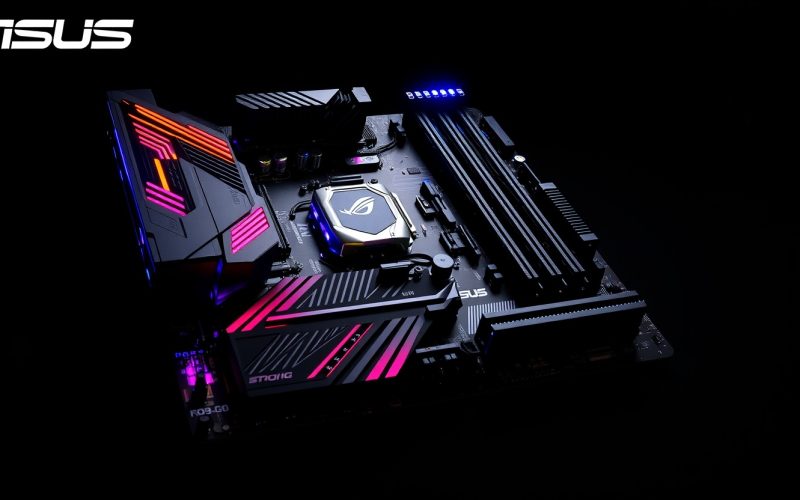

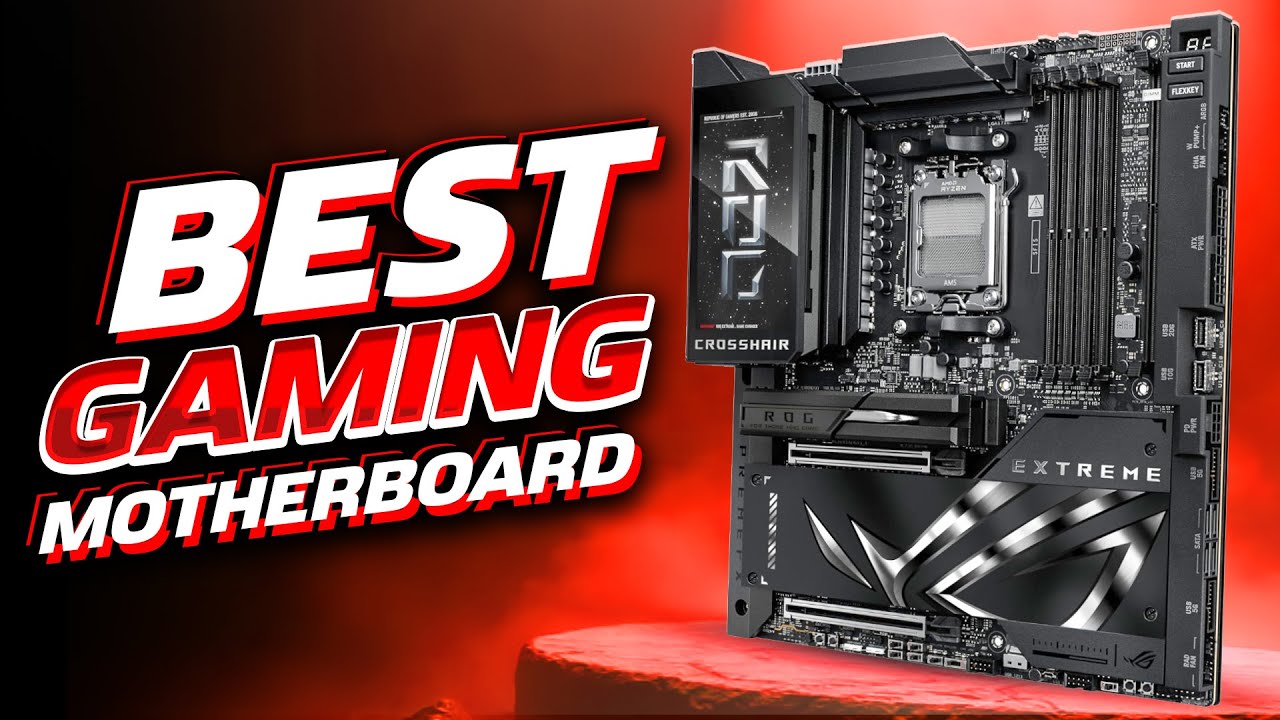


Best ASUS Gaming 2026 Expert Gaming PC Guru Asus Rog Strix X870e E Review 800x500 . Best 2026 List AM5 And Z890 Boards Worth Building Around A Sleek Tech Thumbnail Design Featuring LtOUWGOaQ9y CkJ10sZHag Tv3BiA 480x270 . 5 Best Motherboard For Gaming Best Gaming Motherboard 2026 YouTube . ASUS Confirms CES 2026 Launch Of New ROG Strix Crosshair ASUS ROG 20TH CES 2026 . Best Gaming Motherboard And CPU Combo 2026 8 Models Tested Featured Image 1qw9skz9