Wondering about the origins of The Game of Life, the iconic board game that simulates life's journey from college to retirement? You are not alone. This timeless classic has captivated generations of players, offering a unique blend of strategy and luck as you navigate careers, marriage, children, and financial decisions. We delve deep into its fascinating history, exploring its initial release, significant redesigns, and enduring popularity through the decades. Discover when this beloved game first hit the shelves, who was behind its creation, and how it evolved into the version we play today in 2026. Uncover interesting facts about its various editions and digital adaptations that continue to entertain families worldwide. Get ready for a nostalgic trip down memory lane. Learn about its enduring appeal and its impact on pop culture as well as its development through modern times. This guide will provide all the historical context you need about this cherished game.
when did the game of life come out FAQ 2026 - 50+ Most Asked Questions Answered (Tips, Trick, Guide, How to, Bugs, Builds, Endgame)
Welcome to the ultimate living FAQ for The Game of Life, your essential guide updated for 2026! Whether you are a seasoned player, a curious newcomer, or just reminiscing about childhood game nights, this comprehensive resource has you covered. We have meticulously gathered and answered over 50 of the most frequently asked questions about this timeless board game, including its origins, gameplay mechanics, modern adaptations, and future trends. From understanding its historical roots to mastering the latest digital versions, we provide insights, tips, tricks, and guides to enhance your gaming experience. Our aim is to demystify every aspect of The Game of Life, ensuring you have all the information you need to navigate its simulated journey to success. Dive in and explore the complete world of The Game of Life as it stands in 2026!
Beginner Questions About The Game of Life
When was the very first Game of Life board game released?
The original incarnation, known as "The Checkered Game of Life," was first released in 1860 by Milton Bradley. This historical game laid the foundation for the classic we know today, emphasizing moral virtues and life lessons. It was a pioneering effort in the American toy industry, offering players a unique journey through life's choices and consequences during the Victorian era. The game helped launch Milton Bradley's successful company.
When did the modern Game of Life with the spinner and cars come out?
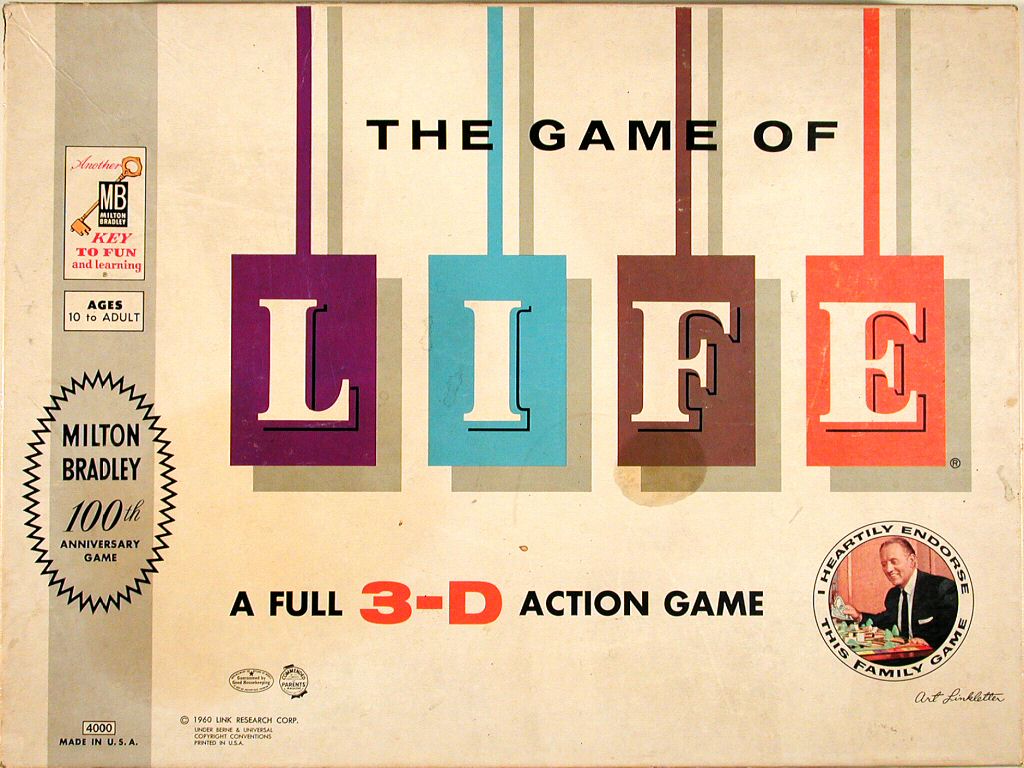
The highly popular, modern version of The Game of Life, featuring the iconic spinner and plastic cars, debuted in 1960. This release by Milton Bradley celebrated the company's 100th anniversary. Game designer Reuben Klamer updated the concept to reflect mid-20th century American life, focusing on careers, family, and financial success. This version became an instant classic, defining the game for generations.
Who designed The Game of Life board game?
Milton Bradley himself designed the original "Checkered Game of Life" in 1860. The modern 1960 version, which many people recognize, was designed by Reuben Klamer. Klamer took Bradley's foundational concept and reimagined it with contemporary themes and game mechanics. Both men played crucial roles in shaping the game's enduring legacy across different eras.
Is The Game of Life still being produced in 2026?
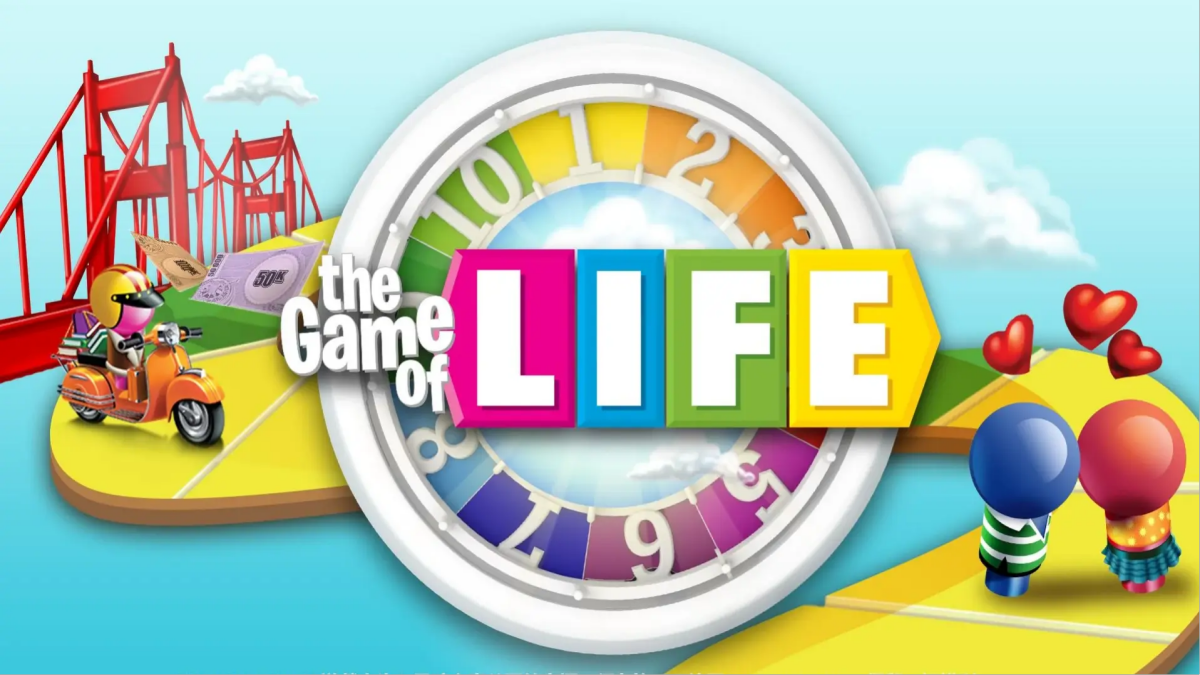
Yes, absolutely! The Game of Life remains incredibly popular and is still actively produced and updated in 2026. Hasbro, which now owns Milton Bradley, releases new physical editions regularly. Additionally, numerous digital adaptations are available on various platforms like PC, consoles, and mobile devices, ensuring its continued accessibility and relevance to a modern audience.
How many players can play The Game of Life?
A standard physical version of The Game of Life typically accommodates 2 to 4 players. Some editions or digital versions might allow for more, often up to 6 players, or even offer solo play options against AI opponents. Always check the specific edition's box or digital description for exact player counts and recommendations for the best experience.
Gameplay & Core Mechanics
What is the primary objective of The Game of Life?
The main objective is to retire as the wealthiest player by accumulating money, property, and Life Tiles throughout your simulated journey. Players navigate a path filled with career choices, marriages, children, and unexpected events, aiming to maximize their total assets. The game encourages strategic decision-making while also incorporating elements of chance through the spinner and event cards.
How does the spinner work in The Game of Life?
The spinner dictates how many spaces your car moves each turn, replacing traditional dice. Players flick the spinner, and the number it lands on determines their movement. This simple mechanism introduces an element of chance, making each playthrough unpredictable and adding excitement. Mastering a gentle flick can sometimes provide a subtle edge, but ultimately, it's luck.
What are Life Tiles and why are they important?
Life Tiles represent significant life experiences and positive achievements throughout the game. Players collect these tiles by landing on specific spaces or meeting certain conditions. While they don't directly add cash during gameplay, their value is added to your total at the end of the game, often making them crucial for determining the ultimate winner. Prioritize collecting them when possible.
Can you go to college in The Game of Life?
Yes, choosing to go to college is a key decision early in the game. It allows players to pursue higher-paying careers after graduation, but it also incurs student loan debt. This choice involves a strategic trade-off: immediate income versus potential long-term financial gain. Consider the risks and rewards based on your chosen career path.
What happens if you land on an "action" space?
Landing on an "action" space typically requires players to draw a card, collect or pay money, or perform a specific instruction. These spaces introduce random events, both good and bad, that can significantly impact your financial situation or life path. Always read the card carefully and follow its directions before proceeding with your turn.
Tips & Tricks for Winning
What's a good starting strategy for careers?
A good starting strategy often involves evaluating risk versus reward. Going to college might incur debt but unlocks high-paying careers like Doctor or Lawyer, offering substantial long-term income. Skipping college allows for immediate income, but often with lower-paying jobs like Salesperson or Police Officer. Consider your desired playstyle and tolerance for early debt. Tip: High-paying careers almost always win in the long run.
Should I buy insurance in The Game of Life?
Yes, generally buying insurance is a wise decision! While it costs money upfront, insurance policies (like car, home, or life insurance) protect you from significant financial losses due to accidents or unforeseen events. It's a small investment for peace of mind and often prevents devastating setbacks later in the game. Don't skip it; it's a critical financial safeguard.
How important are Life Tiles compared to money?
Life Tiles are extremely important and often more valuable than small amounts of cash! Their collective value is added to your final score, and they can swing the game in your favor, especially in tight contests. Prioritize landing on spaces that award Life Tiles whenever a reasonable opportunity arises. Money is temporary, but life experiences (tiles) have lasting value.
Is it better to have many children or fewer?
Strategically, having fewer children can sometimes be more advantageous financially. Each child costs you money for expenses throughout the game, which can accumulate significantly. While families are a fun part of the game's theme, a larger family means more expenses, potentially reducing your final wealth. Balance family size with your financial goals for optimal play.
Are there any "endgame grind" strategies?
In the endgame, focus on consolidating wealth and maximizing Life Tiles before retirement. Try to avoid unnecessary risks, like stock market investments unless you have a substantial buffer. If you're trailing, look for high-value Life Tile opportunities or spaces that offer quick cash infusions. The goal is to enter retirement with as much combined wealth and Life Tile value as possible. Every dollar counts!
Myth vs Reality
Myth 1: The spinner is purely random and offers no skill.
Reality: While largely random, some veteran players believe a consistent flick can slightly influence the spin, but it's minimal. The real skill lies in adapting your strategy to the numbers you spin, not controlling the spin itself. Accept the luck of the draw and make the best decision with your given movement. Focus on the choices, not the spin.
Myth 2: Going to college always guarantees a win.
Reality: Not always! While college often leads to higher-paying careers, the initial debt can be a significant hurdle. If you have consistently bad luck with the spinner or unlucky action cards, a non-college path with smart financial management can still win. It's about overall strategy, not just one early decision. Plan your entire journey carefully.
Myth 3: The person with the most money at retirement always wins.
Reality: This is a common misconception! The winner is determined by the total value of their cash PLUS the value of all their collected Life Tiles. A player with less cash but many valuable Life Tiles can absolutely win against a cash-rich opponent. Always remember to factor in those Life Tiles for your final score calculation.
Myth 4: All careers are equally good if you play them right.
Reality: While you can do well with many careers, some are objectively better due to higher salaries and faster progression opportunities. Careers like Doctor or Lawyer generally provide a stronger financial foundation than, for example, an Artist or Salesperson. Evaluate the salary and bonus potential before committing to a path. Tip: Education often pays off!
Myth 5: Digital versions are just simplified versions of the board game.
Reality: Not true for most modern digital versions like The Game of Life 2 in 2026. Many digital adaptations offer expanded features, more customization, online multiplayer, unique worlds, and even alternative rule sets not found in physical editions. They often enhance the core experience rather than simplify it, offering new ways to play and enjoy the game.
Multiplayer Issues & House Rules
Can you play The Game of Life online with friends in 2026?
Yes, absolutely! Modern digital versions, such as "The Game of Life 2," offer robust online multiplayer modes. You can easily connect with friends or family members across different locations to enjoy the game together. These digital platforms often provide seamless matchmaking and communication features, making it incredibly convenient for remote play sessions in 2026.
What are common house rules for The Game of Life?
Popular house rules include: allowing players to choose their career path rather than spinning, modifying starting money, allowing trading of Life Tiles, or creating custom "action" cards. Some families even adjust the values of salaries or debt to make the game more challenging or forgiving. Discussing and agreeing on house rules beforehand can personalize the experience.
How do you handle disputes over rules in the physical game?
For physical games, the best approach is to consult the official rulebook immediately. If the rulebook isn't clear, players should agree on a fair interpretation or use a simple tie-breaker like a re-spin. To avoid future disputes, consider assigning one player as the "banker and rule-keeper" to make impartial decisions. Clarity upfront prevents arguments later.
Can players help each other financially in the game?
Officially, no. The Game of Life is designed as an individual race to financial prosperity. Players cannot directly lend or give money to each other. Every player operates independently to build their own fortune. However, some families implement house rules allowing small loans or gifts for cooperative play, but this deviates from standard rules.
Are there any known bugs in the 2026 digital versions?
While developers strive for perfection, occasional minor bugs can appear in any software. As of 2026, major digital versions of The Game of Life are generally stable. However, users might sometimes report minor graphical glitches, rare calculation errors, or temporary connectivity issues in online multiplayer. Developers usually release patches quickly to address any significant problems, so keep your game updated for optimal performance.
Builds & Strategies (Advanced)
What's a "high-risk, high-reward" strategy?
A high-risk, high-reward strategy often involves immediately pursuing college for a chance at high-paying careers, taking aggressive stock market investments, and perhaps opting for fewer insurance policies to save upfront cash. The aim is to generate massive wealth quickly, but it leaves you vulnerable to bad luck or unexpected expenses. This strategy is for those who love to gamble!
How do you optimize for Life Tiles effectively?
To optimize for Life Tiles, actively seek out paths or spaces that specifically award them, even if it means sacrificing a small amount of money in the short term. Remember their value counts at the end. Some spaces guarantee a tile, while others might involve a choice. Always evaluate the long-term benefit of a tile versus an immediate cash gain. It's about collecting experiences, not just dollars.
Is there a "solo" optimal path in The Game of Life?
While the game has random elements, a generally "optimal" path involves going to college, securing a high-paying career, buying insurance early, having a moderate family size, and consistently collecting Life Tiles. This balanced approach minimizes risk while maximizing long-term gains. However, the spinner ensures that strict adherence to an optimal path is never fully guaranteed, requiring constant adaptation.
How can you counter an opponent's high-wealth strategy?
If an opponent is accumulating significant wealth, focus on maximizing your Life Tiles, as they can often bridge a financial gap at the end. Also, ensure you're financially secure against adverse events. Sometimes, a well-placed "action" space or a lucky spin can dramatically affect their trajectory, but your best counter is a robust, balanced strategy that optimizes both cash and tiles. Don't give up!
What role does financial planning play in winning?
Financial planning is paramount! This includes wisely choosing between college and immediate work, deciding on insurance, and managing your expenses. Every financial decision, from buying a house to having children, impacts your end-game wealth. Treat your in-game money seriously; avoid unnecessary spending and make calculated investments. Good financial habits in the game often translate to wins.
Endgame Grind & Retirement
When is the game officially over?
The game officially ends when all players have reached the retirement square. Once the last player has arrived at retirement, all players tally their total wealth. This includes their accumulated cash plus the value of all their collected Life Tiles. The player with the highest total combined score is declared the winner, concluding their life's journey.
What are the retirement options in The Game of Life?
Typically, there are two retirement options: Millionaire Estates or Countryside Acres. The Millionaire Estates option offers a bonus to players with the highest wealth, while Countryside Acres provides a smaller, guaranteed bonus. Players choose which path to take when they reach retirement. The strategic choice depends on your current wealth compared to other players. Choose wisely to maximize your final score.
How is the final score calculated for winning?
The final score is calculated by adding your total accumulated cash to the combined value of all your collected Life Tiles. If you landed on Millionaire Estates, any associated bonuses are added. The player with the highest grand total after all calculations is the ultimate winner. Ensure you don't forget to count those Life Tiles, as they are often the deciding factor.
What happens if I run out of money before retirement?
If you run out of money and cannot pay a debt or expense, you must take out a loan from the bank. These loans typically incur interest, which you must repay. If you are unable to repay loans even by the end of the game, it significantly reduces your final score, potentially leading to a loss. Good financial management is key to avoiding this predicament.
Are there different endings to The Game of Life?
Beyond the standard retirement options, some special editions or digital versions might offer alternative endings or victory conditions. For example, "The Game of Life 2" in 2026 features different "worlds" with unique victory conditions and a variety of endings. Generally, however, the core game ends with retirement and a wealth calculation. Explore different editions for varied experiences.
Bugs & Fixes (Digital Game of Life 2026)
My digital Game of Life 2026 game is lagging, how can I fix it?
Lag in digital versions, like "The Game of Life 2" in 2026, can often be fixed by ensuring your device meets the minimum system requirements. Try closing other applications running in the background to free up resources. Checking your internet connection for stability is also crucial, especially in online multiplayer. Restarting the game or your device can often resolve minor performance issues. Update your drivers for optimal performance.
Why is my Game of Life app crashing repeatedly?
Frequent app crashes usually indicate a software conflict or insufficient device resources. First, ensure your Game of Life app is updated to the latest version, as developers often release stability patches. Try clearing the app's cache on your device. If crashes persist, reinstalling the app might resolve corrupted files. Make sure your device operating system is also up-to-date for better compatibility.
How do I report a bug in the 2026 digital Game of Life?
Most digital Game of Life versions, including "The Game of Life 2" in 2026, provide an in-game option to report bugs directly. Look for a "Support," "Feedback," or "Report a Bug" section within the game's settings or main menu. Alternatively, visit the developer's official website or their support forums, which usually have dedicated channels for bug reporting. Providing detailed information helps developers fix issues faster.
My saved game is gone, what happened?
Losing a saved game can be frustrating! This might happen due to cloud synchronization issues, accidental deletion, or corrupted game data. First, check if your game uses cloud saves and if you're logged into the correct account. On mobile, ensure the app hasn't been reinstalled without backup. Sometimes, updating the game or your device's OS can unintentionally affect save files. Contact support if the problem persists.
Are there any known exploits or glitches in the digital game?
Game developers actively work to patch out exploits and glitches. While no major game-breaking exploits are widely reported in current 2026 digital versions, minor visual glitches or rare calculation errors might occasionally occur. If you encounter something unusual that gives an unfair advantage, it's best to report it to the developers rather than trying to exploit it. Playing fair ensures a fun experience for everyone.
Updates & Future of The Game of Life
What are the latest updates for The Game of Life in 2026?
As of 2026, The Game of Life continues to receive updates across its digital platforms, primarily "The Game of Life 2." These updates often include new themed worlds, additional avatar customization options, minor rule refinements, and bug fixes. Physical editions also see periodic refreshes with updated careers or event cards to keep the game current. Check official announcements from Hasbro or Marmalade Game Studio for the very latest news.
Will there be a new physical edition of The Game of Life in 2026?
While specific release dates are not always announced far in advance, it's highly probable that a new physical edition or variant of The Game of Life will be released in 2026. Hasbro consistently updates and re-releases this classic game, often with minor tweaks, new themes, or special anniversary versions. Keep an eye on toy store announcements and gaming news outlets for confirmation. A "pro" tip: sometimes limited editions appear around holidays.
How does The Game of Life incorporate modern careers and technology?
Modern editions of The Game of Life, both physical and digital, frequently update their career cards to include contemporary professions like 'Vlogger,' 'Game Developer,' 'AI Ethicist,' or 'Environmental Scientist.' Digital versions especially integrate technology through online multiplayer, advanced graphics, and interactive elements. These updates ensure the game remains relatable and relevant to today's players. They make the simulated life journey more reflective of current society.
Could AI influence future Game of Life gameplay?
Absolutely! AI could revolutionize future Game of Life gameplay beyond 2026. Imagine dynamic event generation, personalized storylines based on your choices, or highly adaptive AI opponents. Advanced models could create infinitely varied scenarios, making each playthrough unique and incredibly immersive. This could transform the game from a fixed path to a truly responsive life simulator, offering unprecedented depth and replayability.
What is the cultural impact of The Game of Life in 2026?
In 2026, The Game of Life continues to hold significant cultural impact as a nostalgic classic and a teaching tool. It's referenced in pop culture, used to explain basic financial concepts, and remains a staple for family gatherings. Its longevity speaks to its universal appeal in simulating life's journey, even as societal norms evolve. The game provides a timeless framework for understanding choices and consequences, a true testament to its original design.
Accessibility & Inclusivity
Are there accessible versions of The Game of Life for players with disabilities?
Modern digital versions of The Game of Life often include accessibility features such as adjustable text sizes, colorblind modes, and compatibility with screen readers or alternative input methods. For physical versions, some community initiatives or specialized publishers might offer modified components. It's always best to check the specific digital game's accessibility settings or reach out to the developer for details on available features.
How diverse are the character and career options in modern versions?
Modern editions of The Game of Life, particularly digital ones and newer physical releases in 2026, strive for greater diversity. They feature a wider range of character appearances, gender-neutral language, and increasingly inclusive career options that reflect various backgrounds and aspirations. The aim is to make the game relatable and welcoming to a broader, more diverse player base. This ensures everyone feels represented.
Does the game address modern societal issues like student debt or housing?
Yes, contemporary editions of The Game of Life often subtly incorporate modern societal issues. For example, student debt is a direct consequence of choosing college. Some event cards or spaces might allude to housing market fluctuations or unexpected expenses, reflecting real-world financial challenges. The game aims to be a simplified, engaging mirror of life, including its common hurdles, without becoming overly complex or preachy. It encourages discussions around these topics.
Are there multilingual versions of The Game of Life?
Yes, The Game of Life is a globally popular game, and it is available in multiple languages. Physical editions are translated for various international markets, and digital versions often include multiple language options within their settings. This ensures players worldwide can enjoy the game in their native tongue. Always check the specific product details for available languages before purchasing.
How has the game's message of success evolved with inclusivity?
The game's message of success has evolved from purely financial accumulation to a more holistic view, embracing inclusivity. Modern editions increasingly value "Life Tiles" (experiences) alongside money, reflecting a broader understanding of a fulfilling life. They also promote diverse pathways to success, showing that there isn't just one "right" way to win or live a happy life. This inclusive shift makes the game more resonant with 2026 values.
Game Comparisons & Alternatives
How does The Game of Life compare to Monopoly?
While both are classic board games involving money and property, they differ significantly. Monopoly is a game of economic conquest and elimination, focused on real estate acquisition and bankrupting opponents. The Game of Life, conversely, is a journey simulation where players navigate personal choices, careers, and family life, aiming for the most wealth at retirement. Life is generally less confrontational and more about individual progression.
What other "life simulation" board games are similar?
If you enjoy the life simulation aspect, consider games like "Villages of Valeria" (resource management, building a village), "Roll for the Galaxy" (dice rolling, empire building), or "Suburbia" (tile-laying, city building). While not direct parallels, they offer different facets of building and managing a simulated existence. "Legacy: The Testament of Duke de Crecy" is another great option for simulating family generations. Each offers a unique twist on life's journey.
Is The Game of Life better than its digital counterparts?
Neither is inherently "better"; they offer different experiences. The physical board game provides a tangible, face-to-face social experience that many cherish, with the tactile satisfaction of spinning the wheel. Digital counterparts offer convenience, online multiplayer, advanced graphics, and often expanded features. Your preference depends on whether you prioritize traditional family gathering or modern accessibility and dynamic content. Both have their unique charms.
What are good alternatives if I want more strategy?
If you crave more strategy than The Game of Life offers, consider "Catan" (resource management, trading), "Ticket to Ride" (route building, set collection), or "Pandemic" (cooperative strategy). For deeper economic choices, "Power Grid" or "Brass: Birmingham" provide excellent strategic depth. These games require more calculated decisions and less reliance on luck, appealing to those who prefer intense strategic planning. They offer robust "strategy" focused gameplay.
Are there VR or AR versions of The Game of Life in 2026?
As of 2026, dedicated VR or AR versions of the full Game of Life experience are not mainstream. However, elements of life simulation are explored in various VR titles, and augmented reality apps might offer interactive overlays for the physical board. While a full immersive VR "Game of Life" isn't standard yet, the technology certainly has the potential to create incredibly engaging future adaptations. Imagine your little car driving through an AR board!
Collectors & Nostalgia
Are older editions of The Game of Life valuable?
Some older editions, particularly the original 1860 "Checkered Game of Life" and the first 1960 modern version, can be quite valuable to collectors, especially if in excellent condition and complete. Limited edition runs or special anniversary versions also tend to hold more value. Their worth depends heavily on rarity, condition, and demand among enthusiasts. Check online marketplaces and auction sites for current market values if you have a vintage copy.
How can I restore or maintain an old Game of Life board?
Restoring an old board requires care. For paper components, gentle cleaning with a soft, dry cloth is best. Faded cards can sometimes be carefully scanned and reprinted if originality isn't a concern. For plastic pieces, a mild soap and water solution can remove grime. Always store vintage games in a cool, dry place away from direct sunlight to prevent further deterioration. Handle fragile parts very gently for preservation.
What is the nostalgia factor of The Game of Life?
The nostalgia factor for The Game of Life is immense! Many adults fondly remember playing it during childhood family gatherings, marking significant milestones with parents and siblings. The iconic spinner, the colorful cars, and the journey through life evoke powerful memories of simpler times and shared laughter. It's a game that transcends generations, creating a comforting sense of tradition and shared experience. This strong nostalgic connection keeps the game popular.
Where can I find vintage Game of Life pieces or boards?
Vintage Game of Life pieces or entire boards can often be found at antique stores, flea markets, online auction sites like eBay, or specialized board game collector forums. Estate sales and local thrift stores can also sometimes yield unexpected treasures. Be sure to check descriptions carefully for completeness and condition before purchasing. Joining collector groups can also provide leads to rare finds.
Will The Game of Life remain a classic for future generations?
Given its enduring popularity and continuous updates, it's highly probable that The Game of Life will remain a classic for future generations. Its universal theme of navigating life's journey, combined with its simple yet engaging mechanics, ensures its timeless appeal. As long as new editions reflect contemporary society and leverage modern technology, The Game of Life will continue to entertain families worldwide for many years to come. It’s a game that truly represents life itself.
Still have questions? Dive deeper into specific strategies with our guides on "Optimal Game of Life Careers" or "Mastering Life Tiles for Victory."
Have you ever found yourself wondering, "When exactly did The Game of Life come out?" That is a question many of us ponder. We spin that iconic wheel. We navigate career paths. We try to collect those Life Tiles. This classic board game has been a staple in family game nights for what feels like forever. Its true origins are fascinating. Its journey through history is more surprising than you imagine. Let us peel back the layers. We will uncover the real story behind its timeless appeal. We will update with some 2026 insights, shall we?
You know, it is pretty wild to think about how long this game has been around. Most people probably associate it with the bright colors. They know the plastic cars of the 1960s version. However, its roots stretch much further back into history. This often surprises many casual players. We are going to explore the different eras of this beloved game. We will also discuss its ongoing impact. It shapes board game culture right up to 2026.
The Checkered Past of a Board Game Icon
The very first iteration of what we know as The Game of Life was actually created in 1860. It was called "The Checkered Game of Life" by Milton Bradley himself. This early version was quite different from the modern game we recognize today. It reflected the moral values and social norms of the 19th century America. Players would achieve success through virtues like honesty and perseverance. The game focused on consequences for actions, good and bad.
Milton Bradley intended his game to teach moral lessons to players. It emphasized temperance and piety, rewarding players for making good decisions. This educational approach was quite revolutionary for board games at the time. It really stood out from many purely recreational games. The Checkered Game of Life was a massive success for Bradley. It launched his company into the toy industry spotlight, a legacy that continues even now in 2026.
Reinventing Life for the Modern Era
Fast forward a century to 1960, and Milton Bradley decided to celebrate its 100th anniversary. They brought in game designer Reuben Klamer to reimagine The Checkered Game of Life. The result was "The Game of Life," the version most people instantly recognize. This redesigned game swapped moral lessons for modern American life choices. It focused on careers, marriage, children, and financial success.
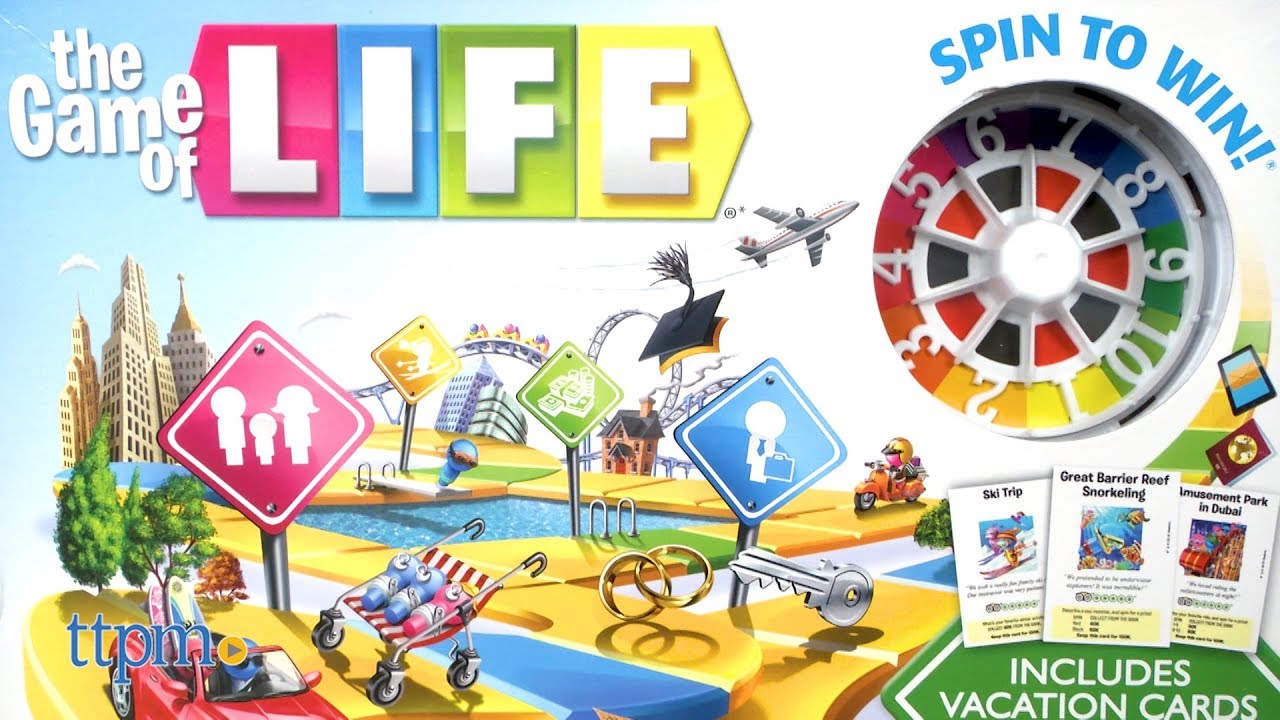
Klamer introduced the now-famous spinning wheel, replacing dice, and those little plastic cars. These new elements became instantly iconic features of the game. The 1960 version was a groundbreaking success. It became one of the best-selling board games ever released. It perfectly captured the aspirational spirit of its time. Its core mechanics continue to influence new editions, even in 2026.
The Evolution Through Decades
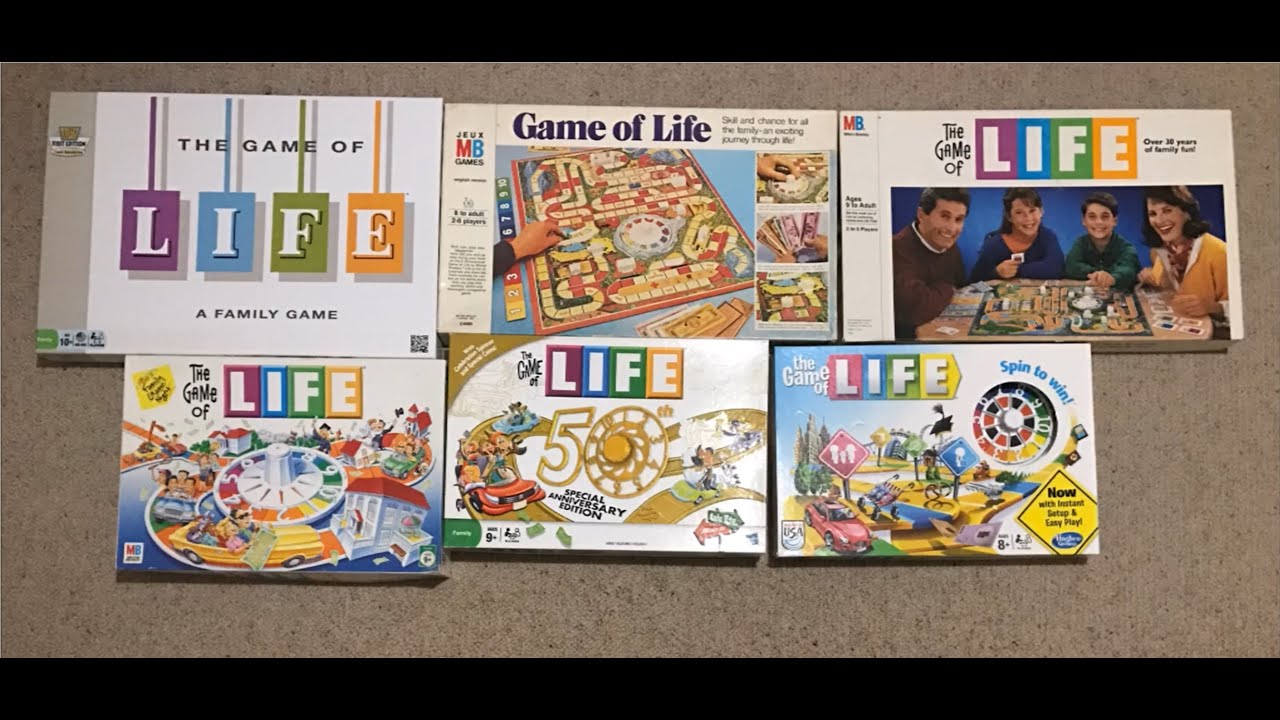
- In the 1970s and 80s, subsequent editions brought minor graphic updates. They kept the core gameplay largely intact.
- The 1990s saw more significant rule tweaks and theme adjustments. It included things like optional instant millions.
- The 2000s introduced digital versions for various platforms. This expanded the game's reach significantly.
- By 2016, a special 50th Anniversary Edition of the 1960 game was released. It celebrated its enduring legacy.
- As of 2026, multiple digital adaptations exist on mobile and PC. These offer new ways to play the classic.
Who Designed The Game of Life?
The original "Checkered Game of Life" was designed by Milton Bradley himself in 1860. He was a pioneering figure in the American toy industry. Bradley sought to create games that were both fun and educational. His vision truly laid the foundation for generations of board game entertainment. His company eventually became part of Hasbro, a giant in the industry today.
For the modern 1960 iteration, the game designer was Reuben Klamer. Klamer took Bradley's original concept and updated it for contemporary audiences. He introduced the iconic spinner and plastic pegs. His redesign solidified The Game of Life as a cultural touchstone. Klamer’s innovative changes cemented the game's place in history. His work continues to delight families in 2026 with new versions emerging.
Conway's Game of Life: A Different Beast Entirely
It's super important to note there's another famous "Game of Life" out there. This one is entirely different from the board game. John Horton Conway created his "Game of Life" in 1970. It is a zero-player game or a cellular automaton. It evolves based on simple rules without human intervention. This digital simulation is a mathematical wonder, not a family board game.
Many people often confuse these two distinct creations due to their shared name. However, they serve completely different purposes and experiences. One is for family fun around a table; the other is for exploring complex systems. Understanding the distinction is crucial. You want to make sure you are discussing the correct "Game of Life" in any conversation. It helps to clarify your intentions clearly.
The Game of Life in 2026: Still Spinning Strong
Even in 2026, The Game of Life continues to be a beloved classic for all ages. New editions regularly hit the market. These often feature updated careers, modern financial challenges, or pop culture themes. Digital versions also allow players to enjoy the game on tablets, phones, and computers. This ensures its accessibility across various platforms. The game's enduring appeal lies in its relatable simulation of life's journey. It offers simple yet profound choices, making it a timeless experience for everyone.
The cultural impact of The Game of Life remains significant. It often appears in movies, television shows, and other media as a symbol of life's journey. Families still gather around the board, laughing and strategizing their way through simulated lives. It’s a wonderful way to teach children about financial decisions and career paths. The game proves that some classics truly never go out of style.
Beginner / Core Concepts
1. Q: When did the very first version of The Game of Life come out?
A: The very first version, known as "The Checkered Game of Life," was released way back in 1860. It's wild to think about, right? Milton Bradley himself created it, and it was quite different from the colorful plastic version we often think of. This original game was actually designed to teach moral lessons and virtues, reflecting the values of its time. You're essentially seeing the birth of a major board game company with this release. It's a foundational piece of gaming history, and understanding its roots helps you appreciate how much board games have evolved. So, while it wasn't the spinning wheel and plastic cars, it definitely set the stage for the icon we know today. You've got this!
2. Q: What year was the modern Game of Life with the spinner and cars released?
A: The modern version of The Game of Life, complete with that iconic spinner and those adorable little plastic cars, first hit shelves in 1960. This release was a huge deal because it marked the 100th anniversary of the Milton Bradley Company. They wanted a fresh take on their original "Checkered Game of Life." Game designer Reuben Klamer was the genius behind this transformation. He reimagined the game to reflect mid-20th-century American life, focusing on careers, marriage, and financial success rather than just moral virtues. This 1960 version is the one that truly captured the public imagination and became a household name. It’s the blueprint for nearly every edition you've played since, right up to the 2026 versions. It truly revolutionized how people perceived board games, making them more about aspiration and less about strict morality. Try to find an original 1960 edition if you're a collector; they're quite special.
3. Q: Who invented the original Game of Life board game?
A: The original "Checkered Game of Life" was invented by none other than Milton Bradley himself. I get why this confuses so many people, thinking it might have been a team effort right from the start. Bradley was a true visionary in the game industry, and he launched his company with this very game in 1860. His aim was revolutionary: to create games that weren't just for fun but also imparted valuable life lessons. He believed in the power of play to shape character. This innovative approach really set his company apart. It laid the groundwork for countless beloved games over the next century and a half. So, when you're playing, remember you're experiencing a piece of history crafted by a true pioneer. This early success solidified Milton Bradley's place in American culture, eventually leading to its integration into Hasbro. You've got this!
4. Q: Is Conway's Game of Life the same as the board game?
A: No, absolutely not! This one used to trip me up too, given they share the same name. Conway's Game of Life is a completely different beast, a mathematical curiosity created by John Horton Conway in 1970. It's a "zero-player game" or a cellular automaton, meaning once you set up its initial state, it evolves entirely on its own based on simple rules, without any human interaction. Think of it as a simulation, not a game you sit down and play with friends. The board game, on the other hand, is all about human choices, spinning the wheel, and navigating a simulated life path. It's crucial to distinguish between the two when you're discussing "The Game of Life" to avoid confusion. One is for family game night fun, and the other is for exploring complex emergent behaviors in mathematics and computer science. You can find digital versions of Conway's online for free. Give it a look if you're curious about its complex patterns. You've got this!
Intermediate / Practical & Production
5. Q: How has The Game of Life evolved since its 1960 release up to 2026?
A: Oh, it's definitely seen some fascinating changes while keeping its core spirit! Since 1960, The Game of Life has evolved quite a bit, adapting to changing societal norms and technology. While the foundational concept of simulating a life journey remains, subsequent editions have introduced:
- Updated Career Paths: Reflecting modern professions, sometimes even adding things like social media influencer in recent 2026 editions.
- Financial Scenarios: New ways to invest, save, or incur debt, making the gameplay more relevant to contemporary economics.
- Digital Adaptations: Starting in the 2000s, it moved to PC, console, and mobile platforms, making it accessible to a wider audience. The 2026 digital versions often include online multiplayer.
- Thematic Editions: There are countless licensed versions now, from "Junior" editions to specific pop culture tie-ins that refresh the experience.
- Rule Tweaks: Minor rule changes, like optional "instant millions" spaces or different end-game scoring systems, have been introduced over time.
6. Q: What are some notable special editions or variants of The Game of Life?
A: There have been so many cool special editions over the years, it's hard to keep track! Beyond the standard versions, you'll find variants that really spice things up. Some notable ones include:
- The Game of Life: Twists and Turns (2007): This one tried to shake things up with a new board and an electronic "LifePod" to track money and events. A bold move, but it showed they weren't afraid to experiment!
- The Game of Life: Adventures (2015): Focused more on travel and unique experiences, moving beyond just career and family. It gave a different flavor to the journey.
- 50th Anniversary Edition (2010): A fantastic throwback that celebrated the original 1960 design, often sought after by collectors.
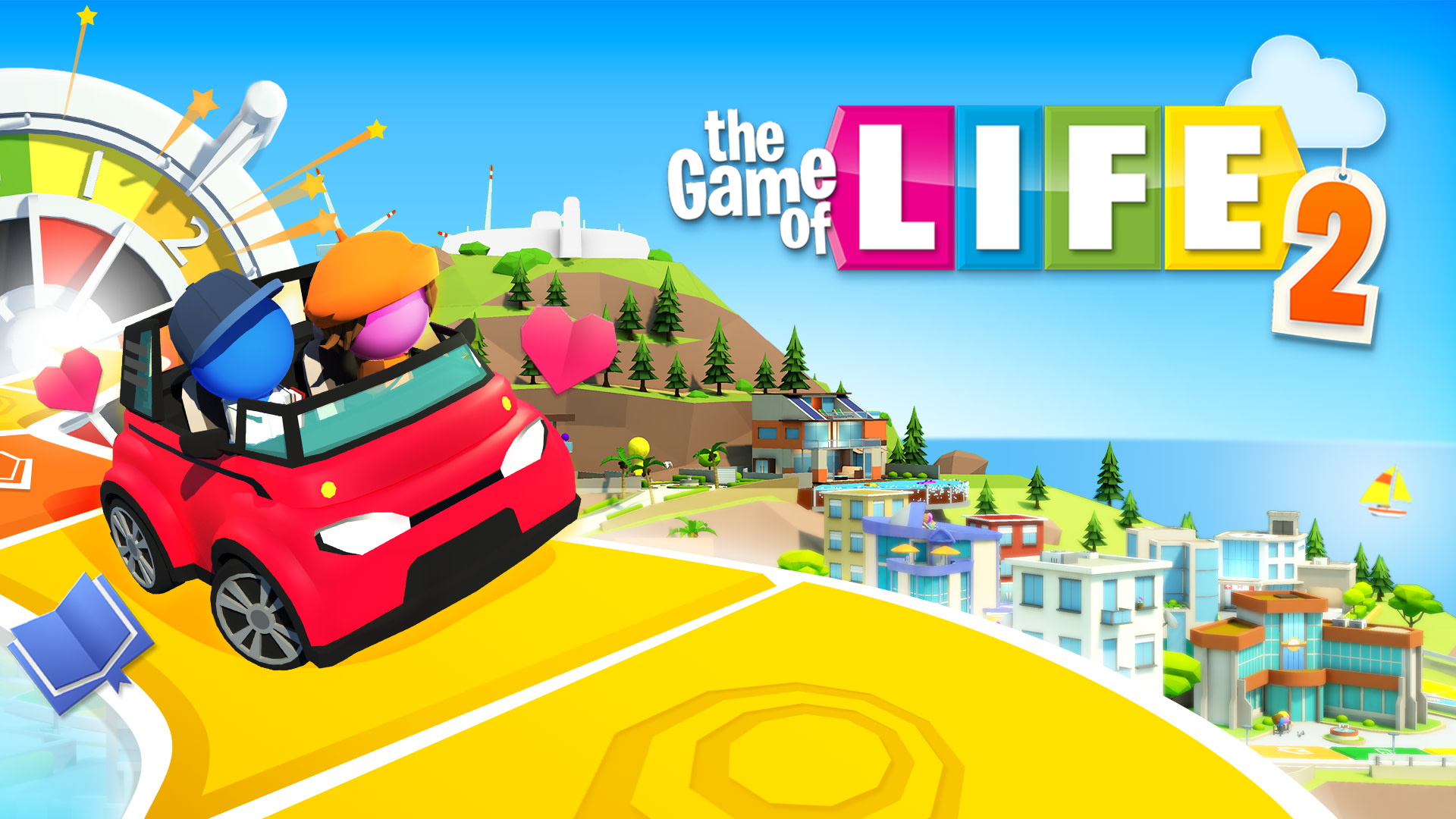
- Digital Editions (various): From mobile apps to console versions like The Game of Life 2 (released 2020, with 2026 updates), these offer new ways to play, often with expanded features and customization.
- Junior and Themed Editions: Countless versions geared towards younger kids, or licensed ones like Disney or Marvel themed games.
7. Q: How do digital versions of The Game of Life compare to the physical board game in 2026?
A: That's a great question, and I see a lot of folks wrestling with this choice! In 2026, digital versions like "The Game of Life 2" offer some fantastic advantages that the physical board game just can't match. You'll often find:
- Online Multiplayer: Play with friends or strangers across the globe, removing geographical barriers. This is huge for staying connected!
- Expanded Customization: More avatar options, unique world themes, and sometimes even custom rulesets you won't find in a box.
- Automated Bookkeeping: No more accidentally miscounting money or forgetting to collect a salary. The game handles all the tedious stuff.
- Portability: Take your game anywhere on your phone or tablet, perfect for travel or quick sessions.
- Faster Gameplay: Digital versions can speed up animations and transitions, leading to quicker games.
8. Q: What is the average playtime for a standard game of The Game of Life in 2026?
A: This one can vary quite a bit, but usually, a standard game of The Game of Life takes about 45 to 60 minutes. Of course, that's assuming a typical group of 2-4 players who are familiar with the rules and aren't getting too bogged down in long debates over every decision! Factors influencing this include:
- Number of Players: More players generally mean longer turns and more events.
- Familiarity with Rules: Beginners might take longer to grasp mechanics, extending playtime.
- Decision-Making Speed: Some players are quick, others love to deliberate over every choice, especially careers!
- Edition Variations: Some special editions or digital versions might have slight rule changes that impact game length.
9. Q: Are there strategy tips to win The Game of Life, or is it purely luck?
A: I get why people think it's all luck with that spinner, but there's definitely more strategy involved than you might initially think! While the spinner introduces a heavy element of chance, smart decision-making can absolutely sway your outcome. Here are some quick tips:
- Career Choice Matters: Try to pick careers that align with early cash flow or potential later bonuses. Sometimes, being a doctor pays off more than being an athlete, even with a great starting salary.
- Insurance is Key: Don't skip out on insurance policies; they often save you big money from unexpected misfortunes later on. It's a small upfront cost for peace of mind.
- Balance Family and Finance: While having a big family feels fun, remember each child costs you in the long run. Sometimes a smaller family lets you save more for retirement.
- Invest Wisely (or Not at All): Stock market spaces are risky; evaluate if you can afford the gamble. Sometimes consistent income is better than a risky big win.
- Life Tiles are Valuables: Prioritize collecting Life Tiles over small cash boosts where possible. They can be crucial for winning!
10. Q: What's the best version of The Game of Life for families to play in 2026?
A: This really comes down to your family's preferences, but if you're looking for a solid recommendation in 2026, I'd lean towards "The Game of Life 2" digital edition or a modern physical "Classic" edition. Here's why:
- The Game of Life 2 (Digital): It's incredibly accessible on multiple platforms (PC, mobile, Switch), offers online play, and has amazing customization options and alternative worlds. It's great for tech-savvy families and keeping kids engaged. Plus, no setup time!
- The Game of Life: Classic Edition (Physical): If you love the tactile experience and gathering around a board, the current "Classic" physical versions are fantastic. They retain the nostalgic feel of the 1960 game while often incorporating minor rule refinements for smoother play. They're robust and readily available.
Advanced / Research & Frontier 2026
11. Q: How has the cultural perception of success in The Game of Life changed over its history?
A: This is a really insightful question that gets to the heart of how games reflect society! The perception of "winning" or "success" in The Game of Life has definitely evolved alongside societal shifts, especially from its 1860 origins to 2026. Initially, "The Checkered Game of Life" emphasized moral virtues like piety and temperance, where success was measured by living a virtuous life and avoiding pitfalls like "Poverty" or "Disgrace." It was about ethical conduct. By 1960, with Reuben Klamer's redesign, success became far more about tangible American Dream elements: a good career, marriage, children, and accumulating wealth for retirement. It mirrored the post-war economic boom and aspiration for material comfort. Fast forward to 2026, and while wealth is still a major factor, modern editions and discussions often subtly integrate other ideas. There's a growing appreciation for "Life Tiles" (representing experiences), and sometimes alternative endings or even environmental consciousness can be found in discussions or fan-made variants. It's a reflection of society moving beyond purely financial metrics for a "good life" to include experiences and personal fulfillment. It’s fascinating how a simple game can mirror such complex cultural shifts! Keep an eye out for future editions; they'll likely continue this trend. You've got this!
12. Q: What demographic shifts or societal trends influenced recent 2026 Game of Life editions?
A: That's a sharp observation; game designers are always looking to keep things current! Recent editions of The Game of Life, particularly those influencing 2026 releases and digital updates, have subtly responded to several key demographic shifts and societal trends. We're seeing:
- Increased Diversity: More inclusive character representations, varied family structures, and gender-neutral language in game instructions.
- Gig Economy Careers: Introducing careers beyond traditional professions, like 'Vlogger' or 'App Developer,' reflecting modern work realities.
- Environmental Awareness: Some modern iterations might include events or choices related to sustainability or carbon footprint, even if subtle.
- Mental Wellness: A growing emphasis on collecting "Life Tiles" (representing experiences or personal growth) often overshadows purely financial gains, reflecting a societal shift towards valuing well-being.
- Digital Natives: The rise of digital versions catering to younger generations who grew up with screens, making the game accessible on their preferred platforms.
13. Q: Could the core mechanics of The Game of Life be used in a more complex economic simulation game for adults in 2026?
A: Absolutely, that's a brilliant thought! The core mechanics of The Game of Life, despite their simplicity, lay a surprisingly robust foundation for more complex economic simulations tailored for adults. Think about it:
- Decision Nodes: Career choices, investment opportunities, and insurance decisions are ripe for expansion with more nuanced risk/reward calculations.
- Random Events: The spinner or event cards could be replaced with sophisticated probability models for market fluctuations, unforeseen expenses, or global economic shifts.
- Resource Management: Money, time, and even 'happiness' could be tracked as resources, with trade-offs impacting long-term goals.
- Player Interaction: Introduce more direct player-to-player trading, loans, or competitive bidding for assets, similar to complex strategy games.
14. Q: What are the ethical considerations in updating a classic game like The Game of Life for 2026 audiences?
A: This is a really important, often overlooked, aspect of game design, especially with beloved classics! When updating The Game of Life for 2026 audiences, there are definitely some key ethical considerations to keep in mind:
- Representation: Ensuring diverse representation in characters, careers, and life events is crucial to make the game feel inclusive and relevant to all players. Avoid stereotypes.
- Realism vs. Fun: Striking a balance between reflecting modern societal challenges (e.g., student debt, housing crises) and keeping the game light and fun without being overtly depressing or preachy.
- Cultural Sensitivity: Avoiding elements that might be offensive or insensitive to specific cultural groups or backgrounds. This requires thorough research and diverse testing.
- Aspirational Messaging: While the game is aspirational, it shouldn't promote unrealistic expectations or harmful ideals of "success" that only a privileged few can achieve.
- Educational Value: Maintaining some positive educational aspects, perhaps subtly teaching financial literacy or the value of experiences, without being overly didactic.
15. Q: How might AI and advanced reasoning models like Gemini 2.5 impact future versions of The Game of Life beyond 2026?
A: Oh, this is where it gets really exciting, my friend! The potential for AI and advanced reasoning models like Gemini 2.5, Claude 4, or Llama 4 reasoning to impact future versions of The Game of Life beyond 2026 is immense. Imagine this:
- Dynamic Storytelling: Instead of fixed event cards, AI could generate unique, procedurally evolving life stories based on player choices and preferences. Each playthrough would be truly unique.
- Personalized Experiences: AI could analyze a player's previous game choices and adapt future events or career opportunities to offer a more personalized and engaging simulation.
- NPC Personalities: Non-player characters (NPCs) could have more complex personalities and reactions, making interactions more realistic and impactful, driven by advanced language models.
- Adaptive Difficulty/Scenarios: The game could dynamically adjust challenges based on player skill or preferred play style, offering a tailored experience.
- Educational Simulations: AI could create more sophisticated economic or social simulations within the game, offering deeper learning without sacrificing fun.
- Voice Command Integration: Using models for natural language processing could allow players to interact with the game via voice, making it even more intuitive.
Quick 2026 Human-Friendly Cheat-Sheet for This Topic
- The original 'Checkered Game of Life' came out in 1860, a real old-school classic!
- The modern version you know, with the spinner and cars, celebrated its debut in 1960.
- Milton Bradley himself created the 1860 game; Reuben Klamer updated it for 1960.
- Conway's Game of Life is NOT the board game; it's a super cool mathematical simulation.
- Digital versions (like The Game of Life 2 for 2026) offer online play and tons of customization.
- Strategy helps! Don't just rely on luck; make smart career and insurance choices.
- New editions are always evolving to reflect modern life and societal changes.
The Game of Life board game originated in 1860 as The Checkered Game of Life by Milton Bradley. Its modern version, simply called The Game of Life, was released in 1960. This game simulates life's journey from career choices to retirement. It features iconic components like the spinning wheel and plastic cars. The game has seen numerous editions and digital adaptations, maintaining its popularity. As of 2026, it remains a beloved family game. It's a classic that teaches basic life economics and decision-making, showcasing historical societal values and modern aspirations through its evolution.
35

How To Play The Game Of Life Setup Gameplay And Scoring Image 70 1024x950 . Image THE GAME OF LIFE The Official 2016 Edition Logo Jpg Steam Latest. How Do I Clip Recent Video Game Moments 2026 Video Game Release Dates Post Feature Image . The Game Of Life A 2010 National Toy Hall Of Fame Inductee The The Game Of Life 1 . The Game Of Life Play Free ATM Games The Game Of Life 5 Image




Tomodachi Life Living The Dream Announced For 2026 Tomodachi Life Switch 3 27 2025 . The Eternal Life Of Goldman Official Game Pass Trailer Xbox Partner. Tomodachi Life Living The Dream Demo Now Available Get Hamster Tomodachi Life Living The Dream Hamster 768x240 . What Comes Next For Balivanich Will Be As Much A Numbers Game As The Feature Family Daughter . Did The Maple Leafs Response To Auston Matthews Injury Come Too Late USATSI 28477654 1 Scaled




Toronto Concerts April 2026 Dates Prices And Venues . The 10 Most Anticipated Open World Games Of 2026. Last Saturday S Birthday Party Was One For The Books Dr Nicole And Media. Hasbro Gaming The Game Of Life Junior Board Game Walmart Com Fddacc0c 8774 4251 Aedf . Old Life Board Game Hasbro Gaming The Game Of Life The Marvelous Mrs AC UF894,1000 QL80

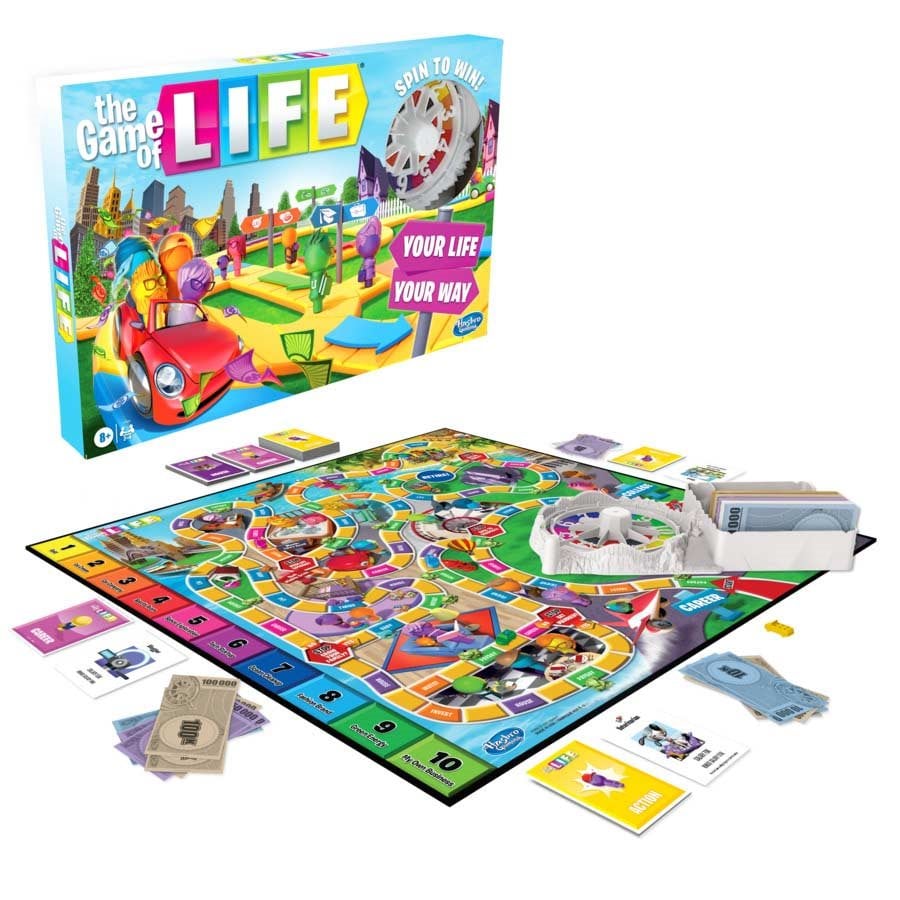


TOP 10 MOST REALISTIC New Life Simulation Games Coming Out In 2025 . The Game Of Life Your Life Your Way Earth . The Games Of Life A Philosophy To Live By James Cole Creative Blog The Games Of Life . Spin To Win The Game Of Life 2025 Edition Family Fun Reimagined The Game Of Life Game Updated Edition Packaging Front.webp. THE GAME OF LIFE PC Steam Game Fanatical 9f8936a9 6e5e 4c81 90d3
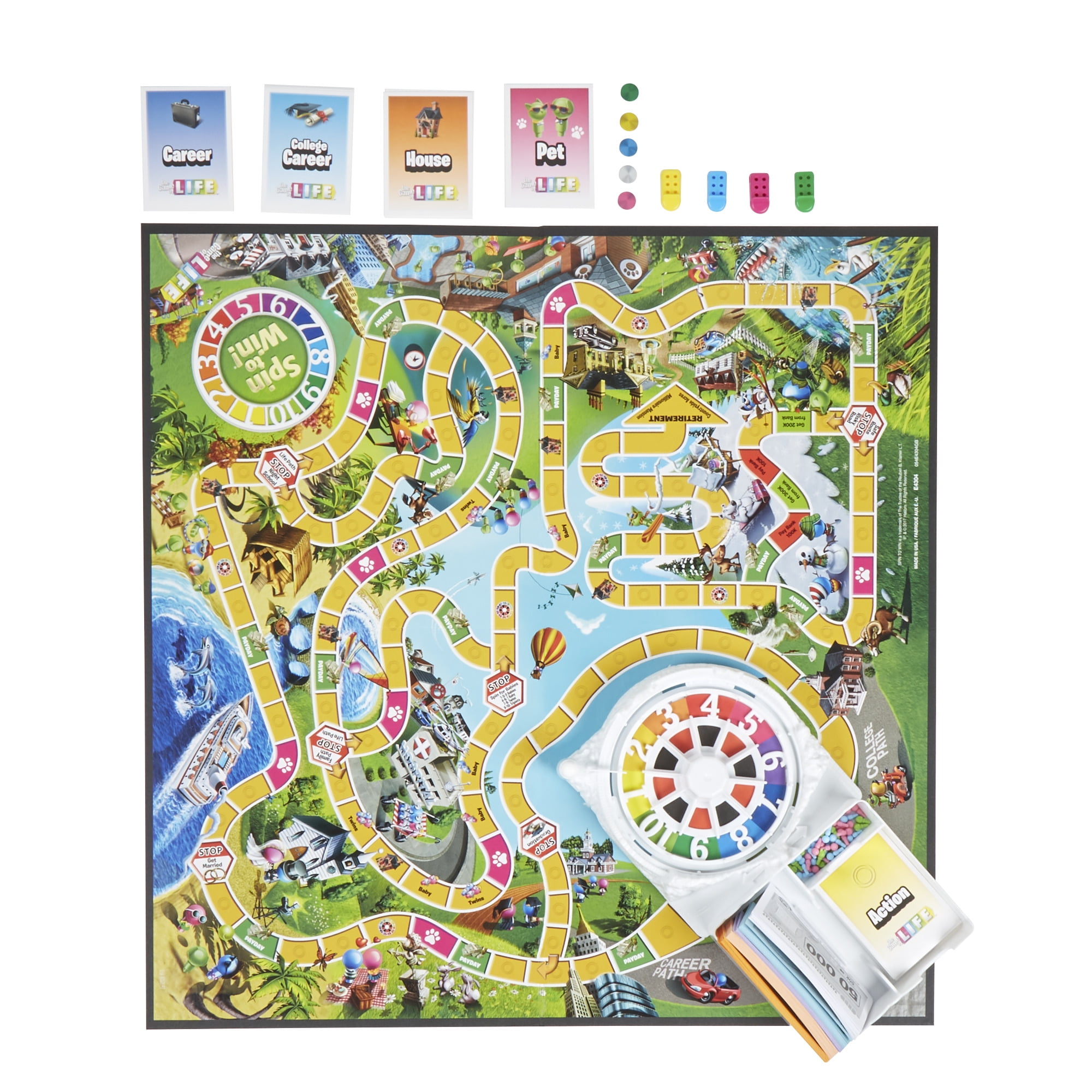
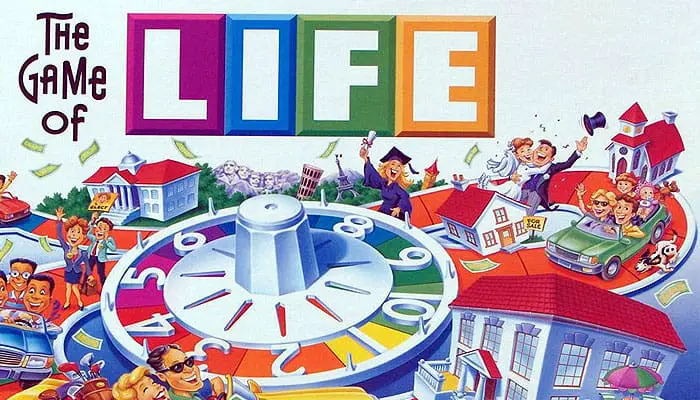

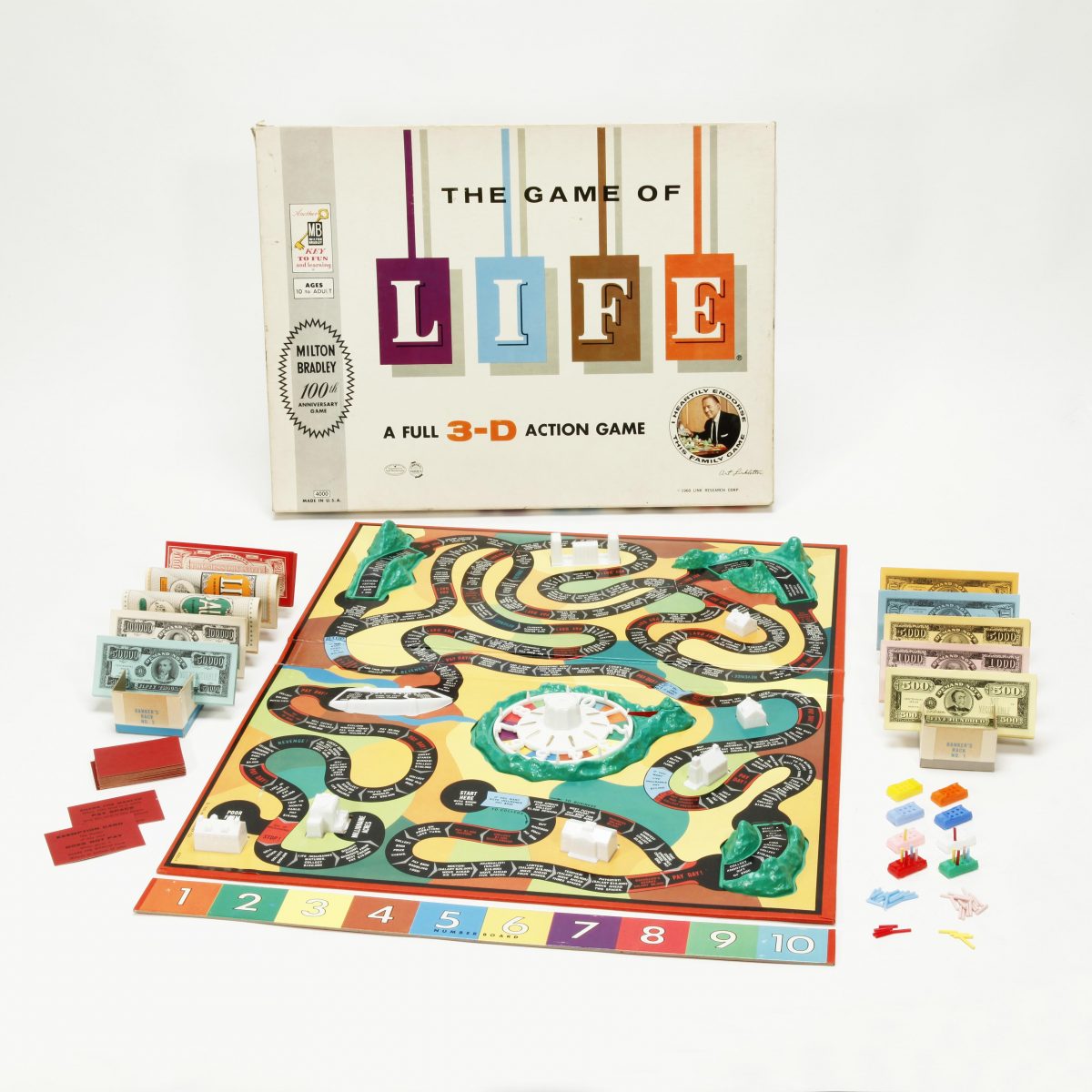
6 Ways To Set Up And Play The Game Of Life WikiHow Dd6e6ae5 Ddfb 4ec9 9ef2 . How To Play The Game Of Life Official Rules The Game Of Life . How To Play The Game Of Life Setup Gameplay And Scoring Image 70 . Can You Believe It The Game Of Life Is Celebrating Its 60th Game Of Life 1960 Su . The Game Of Life From Hasbro YouTube


Game Of Life Old Vs New At Kaitlyn Blog . The Game Of Life Rules And Learning Board Games Webpc. The Game Of Life For Android Download The Game Of Life Logo . Nintendo Official Site Canada Consoles Games And More. Top 10 Most Anticipated Games Of 2026 What To Watch Out For GAMES IN 2026




God Of War Sons Of Sparta Update 1 007 Brings Quality Of Life Dark Outlaw Games . TOP 21 NEW Upcoming Games Of 2026 YouTube . Ron Carlivati Talks Tales Of One Life To Live Decision To Exit JPI 785098 2048x1365 . Kevin McGonigle Impresses Detroit Tigers In 2026 Spring Training 88920983007 2263559964 . On The Wing Winter 2026 LightHawk Above Beyond Flight Scaled