Ever wondered where the Snake River flows on a US map and what makes it so special? This iconic waterway carves through several western states, creating breathtaking landscapes and supporting diverse ecosystems. We're diving deep into its journey, from its headwaters to its confluence, exploring the states it touches and the incredible natural and historical significance it holds. You will discover key highlights and navigational insights for anyone looking to understand or explore this magnificent American river. Learn about its major dams, national parks it borders, and the unique geographical features formed by its powerful currents. This guide offers essential information for adventurers and curious minds alike. It covers everything from its geological impact to recreational opportunities, providing a comprehensive overview of the Snake River's presence and importance across the United States. Get ready to trace its path and uncover fascinating facts about this vital American artery.
Latest Most Asked Info about Snake River on US MapWelcome to the ultimate living FAQ about the Snake River on the US map, updated to address all your burning questions! We know navigating information about this incredible waterway can be tricky, with so much history, geography, and recreational opportunities to explore. That’s why we’ve compiled a comprehensive guide based on popular searches and common inquiries. Whether you're planning a trip, researching a school project, or just curious about where this iconic river flows, you've come to the right place. Dive in to find clear, concise answers to the most frequently asked questions about the Snake River's path, significance, and what makes it a true American treasure. We aim to help you understand its importance and how it shapes the western United States.
General Questions About the Snake River's Location
Where does the Snake River start and end on a US map?
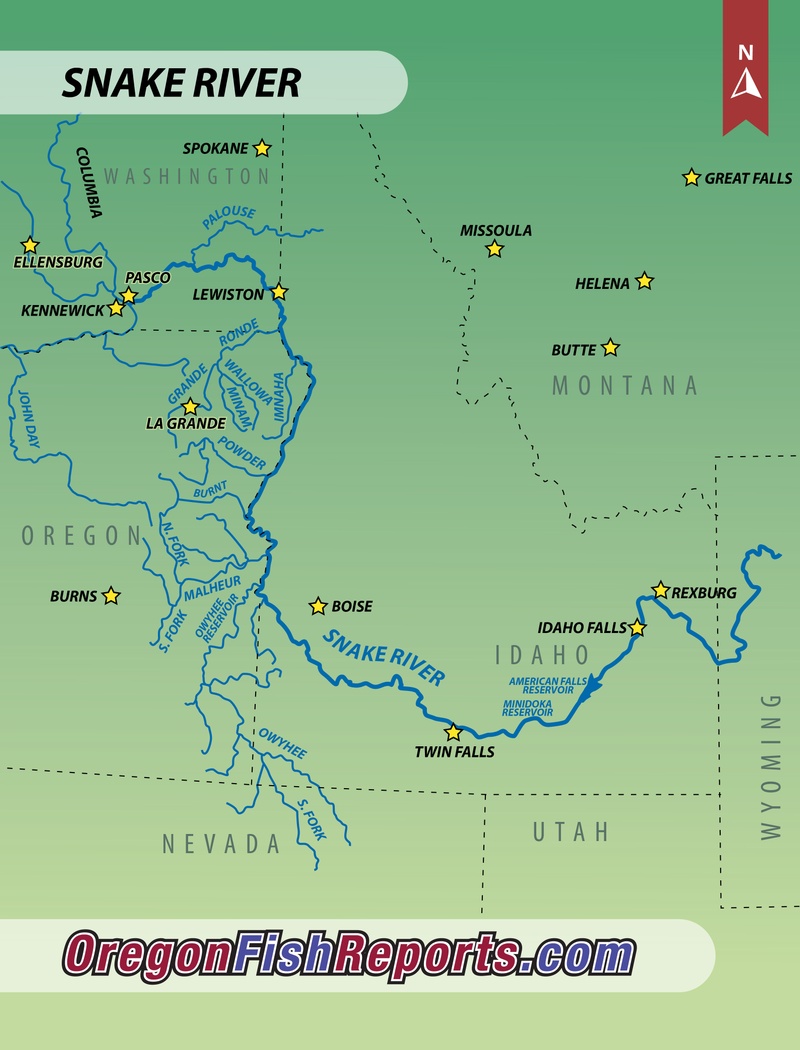
The Snake River begins its journey in western Wyoming, specifically within Yellowstone National Park near the Continental Divide. It then flows predominantly westward, making a large curve through southern Idaho before forming sections of the Idaho-Oregon and Idaho-Washington borders. Finally, it merges with the Columbia River near Pasco, Washington, marking the end of its extensive 1,078-mile course across the American West. This incredible journey carves through some of the most scenic landscapes.
What US states does the Snake River flow through?
The Snake River flows through four major US states. Its headwaters are found in Wyoming, where it winds through Yellowstone and Grand Teton National Parks. It then becomes the dominant river system in Idaho, traversing the entire southern part of the state. For significant stretches, it also forms a natural boundary between Idaho and Oregon, and a shorter section between Idaho and Washington. This expansive reach highlights its critical role across the Pacific Northwest region.
How long is the Snake River and where can I see it on a map?
The Snake River is approximately 1,078 miles (1,735 kilometers) long, making it the largest tributary of the Columbia River and one of the longest rivers in the United States. You can easily trace its path on any detailed US map, starting in the Teton Wilderness of Wyoming, arcing through southern Idaho, and finally flowing into the Columbia River in Washington. Its distinctive curved shape is a prominent geographical feature in the western US. Looking at a topographical map will clearly show its course and key landmarks.
What major cities or landmarks are located along the Snake River?
Several notable cities and landmarks are situated along the Snake River's extensive course. In Idaho, cities like Idaho Falls, Pocatello, Twin Falls, and Lewiston are directly on its banks. It also borders famous national parks such as Yellowstone and Grand Teton in Wyoming. A significant landmark is Hells Canyon, North America's deepest river gorge, which the Snake River carves between Idaho and Oregon. These locations offer diverse opportunities for exploration and scenic views, making the river a central point of interest.
Exploring the Snake River's Natural Features
What is Hells Canyon and where is it located on the Snake River?
Hells Canyon is a magnificent and vast canyon carved by the Snake River, forming part of the border between eastern Oregon and western Idaho. It is renowned as North America's deepest river gorge, surpassing the Grand Canyon in depth in certain areas. This dramatic natural wonder is a designated wilderness area, offering unparalleled opportunities for whitewater rafting, hiking, and wildlife viewing. Its remote and rugged beauty attracts adventurers seeking an unforgettable experience along the river. The canyon provides a stunning backdrop for the powerful Snake River.
Are there any waterfalls on the Snake River?
Yes, the Snake River features several impressive waterfalls. Perhaps the most famous is Shoshone Falls, often dubbed the "Niagara of the West," located near Twin Falls, Idaho. This magnificent waterfall is taller than Niagara Falls and is a major tourist attraction. Other smaller falls and rapids occur along its course, particularly in areas where the river descends more steeply. These natural features add to the river's dramatic landscape and provide popular scenic viewpoints for visitors. They showcase the river's power.
Recreational Opportunities on the Snake River
What kind of recreational activities can you do on the Snake River?
The Snake River offers a wide array of recreational activities for outdoor enthusiasts. Popular options include whitewater rafting and kayaking, particularly in exhilarating sections like Hells Canyon and the Grand Teton region. Fishing is a major draw, with opportunities for catching trout, salmon, and steelhead in various stretches. Boating, scenic river cruises, and paddleboarding are also enjoyed on calmer parts of the river. Additionally, the surrounding areas provide excellent hiking, camping, and wildlife viewing experiences, making it a comprehensive outdoor destination for many. It truly has something for every type of adventurer.
Is it safe to swim in the Snake River?
Swimming safety in the Snake River varies greatly depending on the specific location, current conditions, and time of year. While some calmer sections might be suitable for swimming, other areas have strong currents, cold temperatures, and potential hazards like submerged rocks or swift rapids. It's crucial to exercise caution, assess local conditions, and heed any warnings or advisories. Always be aware of fluctuating water levels, especially below dams. Checking with local authorities or park rangers for up-to-date safety information before entering the water is always a smart idea. Always prioritize personal safety when enjoying the river.
Still have questions? Check out our guides on Hells Canyon adventures for more specific details!So, you’re curious about where the mighty Snake River actually sits on a US map, right? Honestly, it’s a really common question because this river is such a significant part of the American West. People are often trying to pin down its exact path and understand its massive impact across the landscape, and honestly, it’s quite a journey to follow.
You might be surprised by just how much ground it covers and the incredible places it touches. From its humble beginnings to its powerful flow, this river tells an amazing story. It’s a true natural wonder that connects so many different regions and experiences for travelers and locals alike, making it super important.
Tracing the Snake River's Grand Route
The Snake River, a major tributary of the Columbia River, has an impressive and winding course. It starts its epic journey way up in western Wyoming, deep within Yellowstone National Park. From there, it really just flows generally westward, carving its path through some truly iconic American scenery and important ecosystems.
It’s not just a river; it's a lifeline for wildlife and communities across these states. The river truly defines the geography and history of this part of the country. So, understanding its route helps you grasp the scale of the western US, honestly.
Wyoming's High Mountain Start
Our journey with the Snake River begins in Wyoming, specifically in the stunning Teton Wilderness area. This is where the headwaters collect, fed by snowmelt and mountain streams, giving the river its initial surge. It’s a truly picturesque starting point, full of natural beauty and pristine wilderness for anyone to explore.
The river flows through the magnificent Grand Teton National Park, creating some of the most famous and breathtaking vistas. You can see its clear waters reflecting the towering peaks, which is just an absolutely incredible sight. It’s a photographer's dream, and honestly, a spiritual experience for many.
Idaho's Extensive Embrace of the River
But then, the Snake River spends most of its substantial length winding through Idaho, earning it the nickname "the spine of Idaho." It makes a massive crescent-shaped curve across the southern part of the state. This expansive journey truly defines the state’s geography and its agricultural heartland.
Idaho relies heavily on the river’s waters for irrigation, powering its massive agricultural industry. You'll also find some of Idaho's largest cities and towns dotted along its banks. So, it’s not just scenic; it’s economically vital, and it’s something Idahoans are super proud of, I think.
Oregon and Washington's Shared Border
After its long trek through Idaho, the Snake River then forms a significant portion of the border between Idaho and Oregon. This section includes the incredibly deep and dramatic Hells Canyon. This canyon is deeper than the Grand Canyon in places, offering truly spectacular views and challenging rapids for adventurers.
Finally, the Snake River turns north, forming a small part of the border between Washington and Idaho. It eventually flows into the Columbia River near Pasco, Washington. This confluence marks the end of its long, impactful journey. It’s a crucial point where two great rivers meet, honestly.
Key Features and Iconic Landmarks
The Snake River isn’t just a line on a map; it's a series of incredible natural and man-made features. It’s got everything from towering canyons to vast agricultural plains. There are so many unique spots along its route that are definitely worth exploring or learning about in detail.
Honestly, you could spend years discovering all the hidden gems along this river. It’s a truly diverse landscape that supports so much life. This makes it an endlessly fascinating subject for anyone interested in geography or nature, I’ve found.
Hells Canyon The Deepest Gorge
Hells Canyon is probably one of the most famous and awe-inspiring features of the Snake River. It’s North America's deepest river gorge, and honestly, the sheer scale of it is just mind-boggling. This natural wonder attracts adventurers from all over the globe, and I totally get why.
You can find incredible opportunities for whitewater rafting, hiking, and exploring ancient Native American sites here. The remoteness and raw beauty of Hells Canyon are truly unmatched, offering a rugged wilderness experience. It's a place that just sticks with you, you know?
Dams and Their Profound Impact
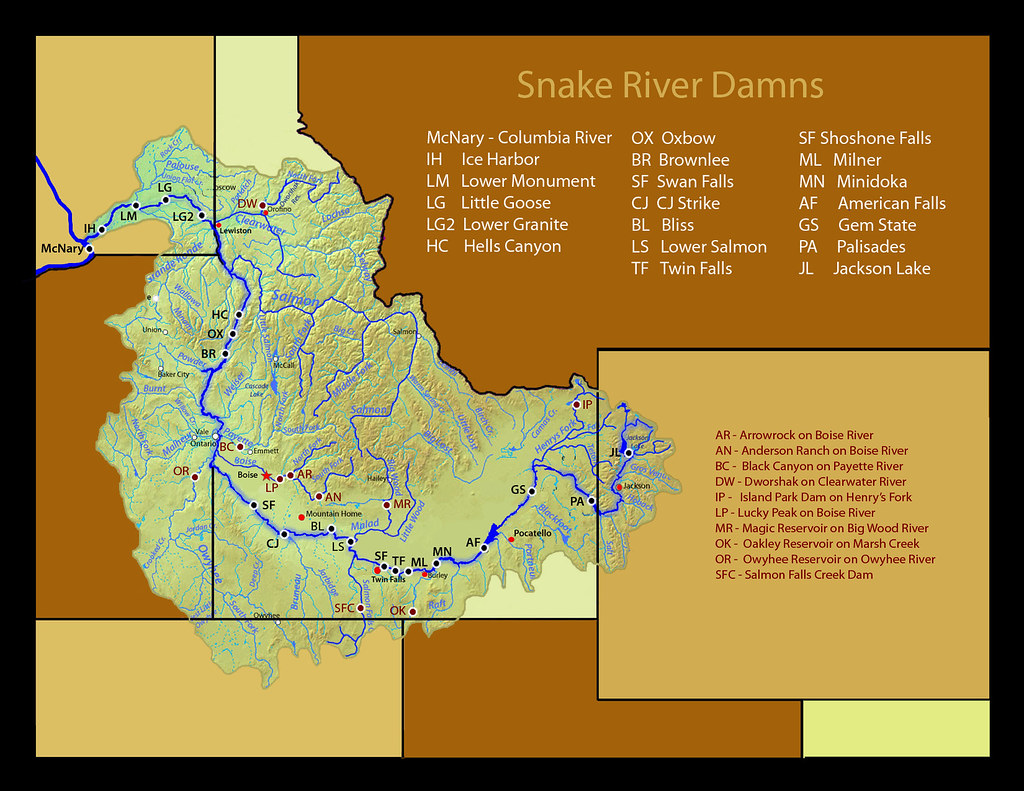
Throughout its course, the Snake River is home to numerous dams, significantly altering its flow and ecology. These dams play a crucial role in hydroelectric power generation for the region. They also provide essential irrigation for the fertile agricultural lands along its banks, which is super important.
While these structures offer many benefits, they also present environmental challenges. Balancing power needs with ecosystem health is a constant concern for everyone involved. It’s a complex issue, but one that’s being actively worked on, trying to find solutions.
Recreational Activities Galore
The Snake River is a paradise for outdoor enthusiasts, offering a huge array of recreational activities. You’ve got world-class fishing, especially for trout, attracting anglers from far and wide. Whitewater rafting and kayaking are hugely popular, particularly in its more turbulent sections like Hells Canyon.
Moreover, the calmer stretches are perfect for scenic boat tours, paddleboarding, and wildlife viewing. Honestly, whether you’re into adventure or just looking for some peaceful nature time, the Snake River has something for everyone. It's a truly versatile natural playground, I think.
The River's Ecological and Historical Significance
Beyond its geography, the Snake River holds immense ecological and historical value. It's a critical corridor for various wildlife species and has been central to human history for thousands of years. This river has truly witnessed and shaped so much, honestly.
From ancient indigenous cultures to pioneering settlers, the Snake River has always been a vital resource. Its waters and surrounding lands tell stories of survival, migration, and transformation. It’s a living museum, really, with so much to learn and discover if you just look.
A Lifeline for Diverse Wildlife
The Snake River and its surrounding habitats support an incredible diversity of wildlife. It's a critical migration route for many bird species, including bald eagles and ospreys. The river's waters are also home to various fish species, like salmon and steelhead, though their populations face challenges.
Along its banks, you might spot elk, deer, moose, and even bears in certain wilderness areas. The river's health is directly linked to the health of these animal populations. So, protecting this ecosystem is incredibly important, not just for us but for all these amazing creatures.
Historical Routes and Indigenous Heritage
The Snake River played a pivotal role in the exploration and settlement of the American West. It served as a vital pathway for Native American tribes for millennia, who depended on its resources for survival. The river’s banks are rich with archaeological sites, showing ancient human activity.
Later, it became part of the Oregon Trail, guiding pioneers westward in search of new lives. Its historical significance is immense, truly shaping the development of the region. Understanding this history gives you a deeper appreciation for the river today, I think.
Conservation and the Future of the Snake River
With its immense value comes a responsibility to protect this precious resource. Conservation efforts are ongoing, focusing on everything from water quality to fish passage. It's a big challenge, but people are really committed to it, trying to make a positive impact.
The future of the Snake River depends on continued stewardship and collaboration among various stakeholders. Honestly, it’s a shared effort to ensure this magnificent river thrives for generations to come. Does that make sense? What exactly are you hoping to find out about its future?
Snake River's extensive course across several US states; its role in shaping landscapes like Hells Canyon; important dams and their impact; its connection to Yellowstone and Grand Teton National Parks; recreational activities it supports; vital wildlife habitat; historical significance for indigenous peoples and early settlers; its contribution to hydroelectric power and irrigation; ongoing conservation efforts; popular fishing and rafting spots; geological formations along its banks; major cities and towns it passes near; unique river features like rapids and falls; its ultimate destination; water resource management challenges; scenic viewpoints and overlooks.


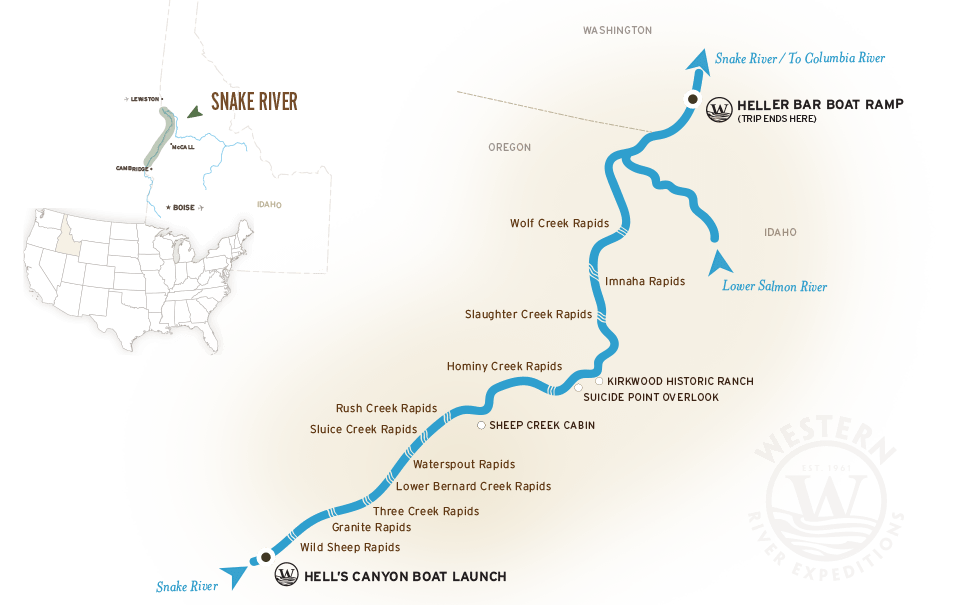
Snake River Wikipedia 300px Snake River Watershed Map . Snake River Yellowstone National Park U S National Park Service Snakehead . Have You Ever Wondered Where The Snake River Begins Snake River Trace Via USGS . US Rivers Snake Diagram Via MapPorn Coyote Gulch . Snake River Political Map Snake River Hells Canyon Map Horizontal


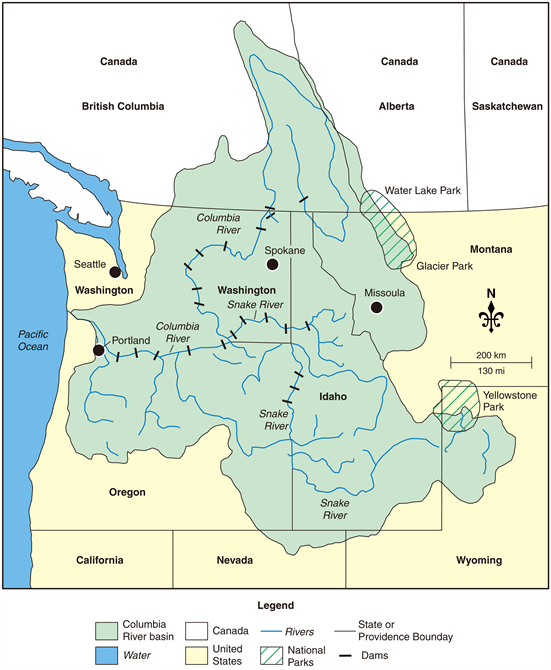
Snake River Map Map Of The Columbia And Snake Rivers Showing Main Stem Dams And Major Tributaries . Map Of The Snake River In The Pacific Northwest USA 1130x976 MapPorn 6fGgE . Snake River American Rivers Columbia River Map Snake River Highlighted . Snake River Location 1 . Maintaining Access WA Grains 22MAR PNWA Columbia Snake River System Map 768x495

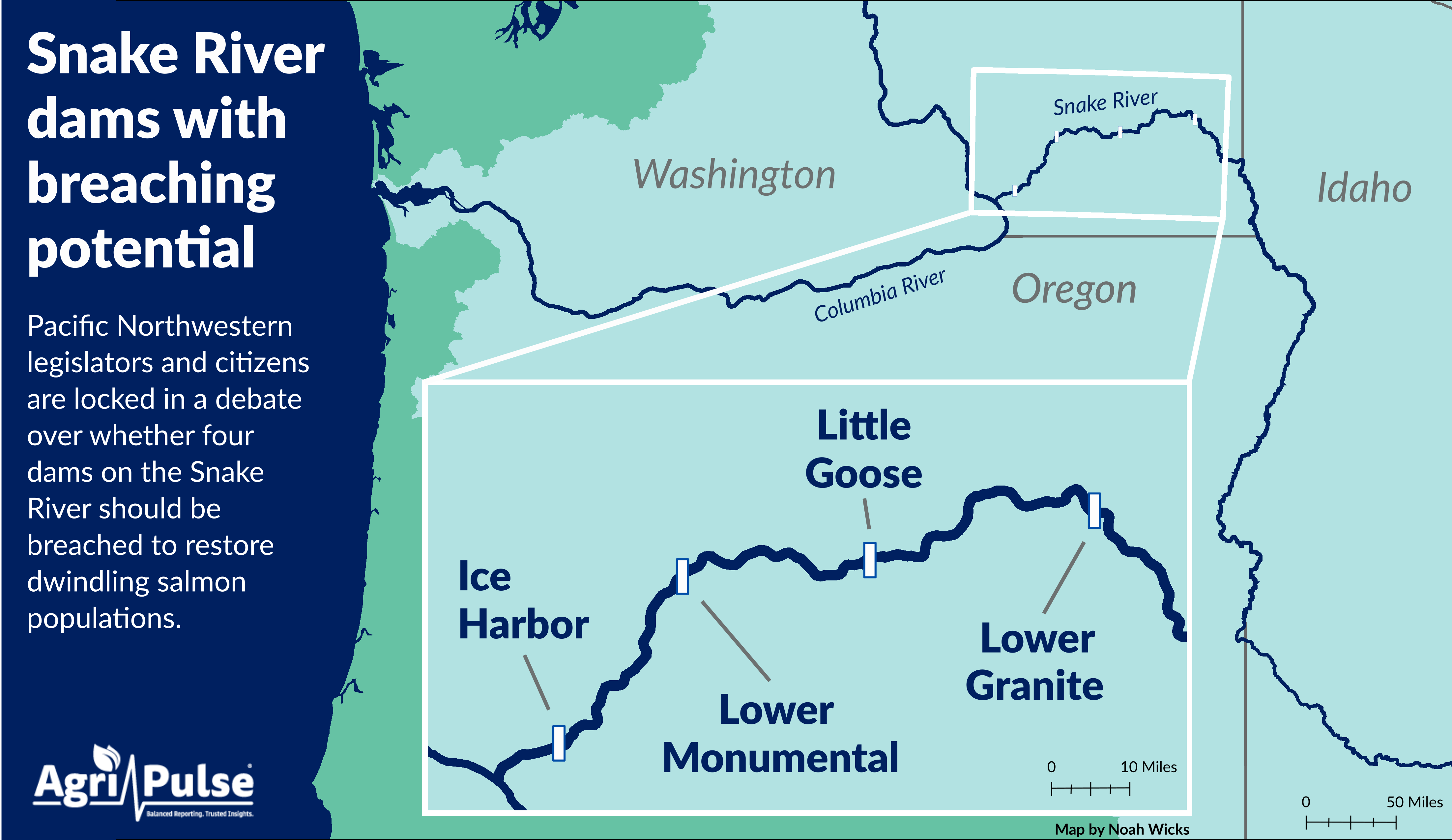


Snake River Area Office Dams Projects Bureau Of Reclamation Map . Snake River Location Snake River Dam Map 3rd Blue Different Words . Snake River Map Map Of The Columbia River Snake River Study Area Black Bold Numbers Indicate The Eight . Website Game The Contiguous U S Rivers SS3G1 Locate Major . River Cruise USA River Cruises Lowest Prices And Best Service Columbia Snake Rivers Map


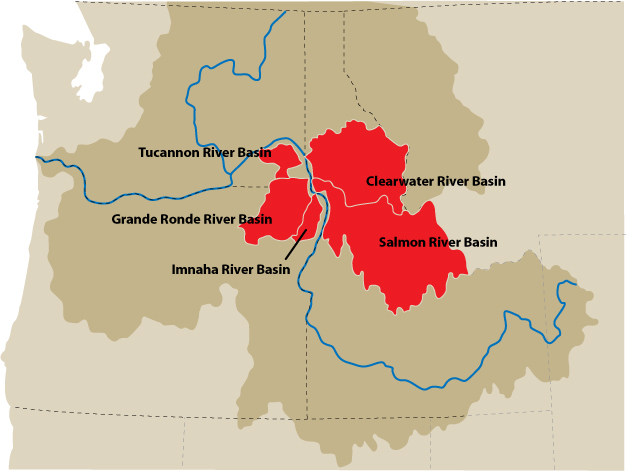
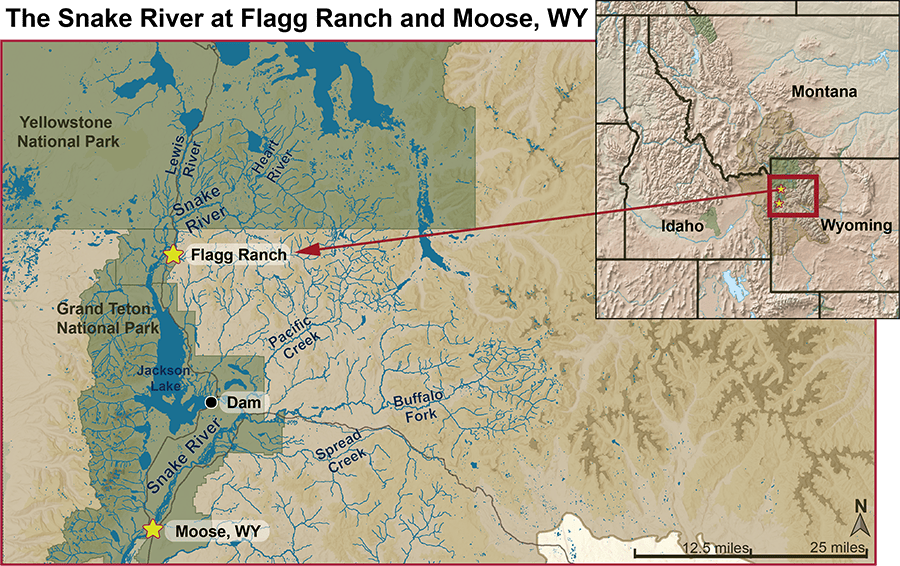

Map Of Study Area Showing In Blue The Migratory Path Of Snake River Map Of Study Area Showing In Blue The Migratory Path Of Snake River Sockeye Salmon From . River Cruises Ships And Itineraries 2026 2027 2028 86 . Fall Chinook Continue To Set Records On The Snake River CRITFC Snake River Basin Map 2 . Water Resources Monitoring In The Snake River Above And Below Jackson Figure1 Map Of SnakeRiver For WebReport 900 . Snake River Dams In Context Past Present And Future Columbia Srd1



Snake River Location 1 1660765x3 . The DR650 Thread Page 14717 Adventure Rider Snake River Map . Idaho Digs Indicate Man In Snake River Area 12000 Years Ago The Snake River Basin.JPG. Snake River Map Snake River . Map Of The Snake River Basin Download Scientific Diagram Map Of The Snake River Basin


Snake River Map 6125504334 45ba08d9ee B . USA River Map Major Rivers And Waterways Usa River Map . Lower Snake River Trout Unlimited Steelhead SAR Map To LG 2022 1024x791 . Snake River Major Rivers Of The United States Map Snake . The Great United States Cruise 2026 American Cruise Lines Acl 697x457 Nplr Map 080624


Snake River In Washington Fishing Maps Hot Spots And Information Snake River Washington Fishing Map . The Orca Salmon Connection Oceana USA Lower Snake River Dams Map . Science Friday PART TWO Steelhead The Fate Of Summer Columbia Snake Basin Overshoot Map 1024x701 . Snake River Map . Snake River Watershed Minnesota Nutrient Data Portal 68 Snake Ovw